Barely a week goes by now without a collision on the Dengie roads. A couple of months ago this sadly included two fatalities. There’s clearly a problem with drunk and drug driving, but this appears to be a factor in only a minority of cases and doesn’t sufficiently explain the frequency of dangerous driving incidents. While excess speed is likely a factor, that doesn’t necessarily mean speeding —the recent Department of Transport study Road safety factors: initial analysis (30 May 2024) found that only 19% of fatal road collisions are recorded as a driver exceeding the speed limit. A fact which caused Sam Wakeling of campaign group Living Streets to ask: ‘Does that suggest that a whole lot of deadly speed is accepted within the legal limit? And that our speed limits are not set at safe levels?
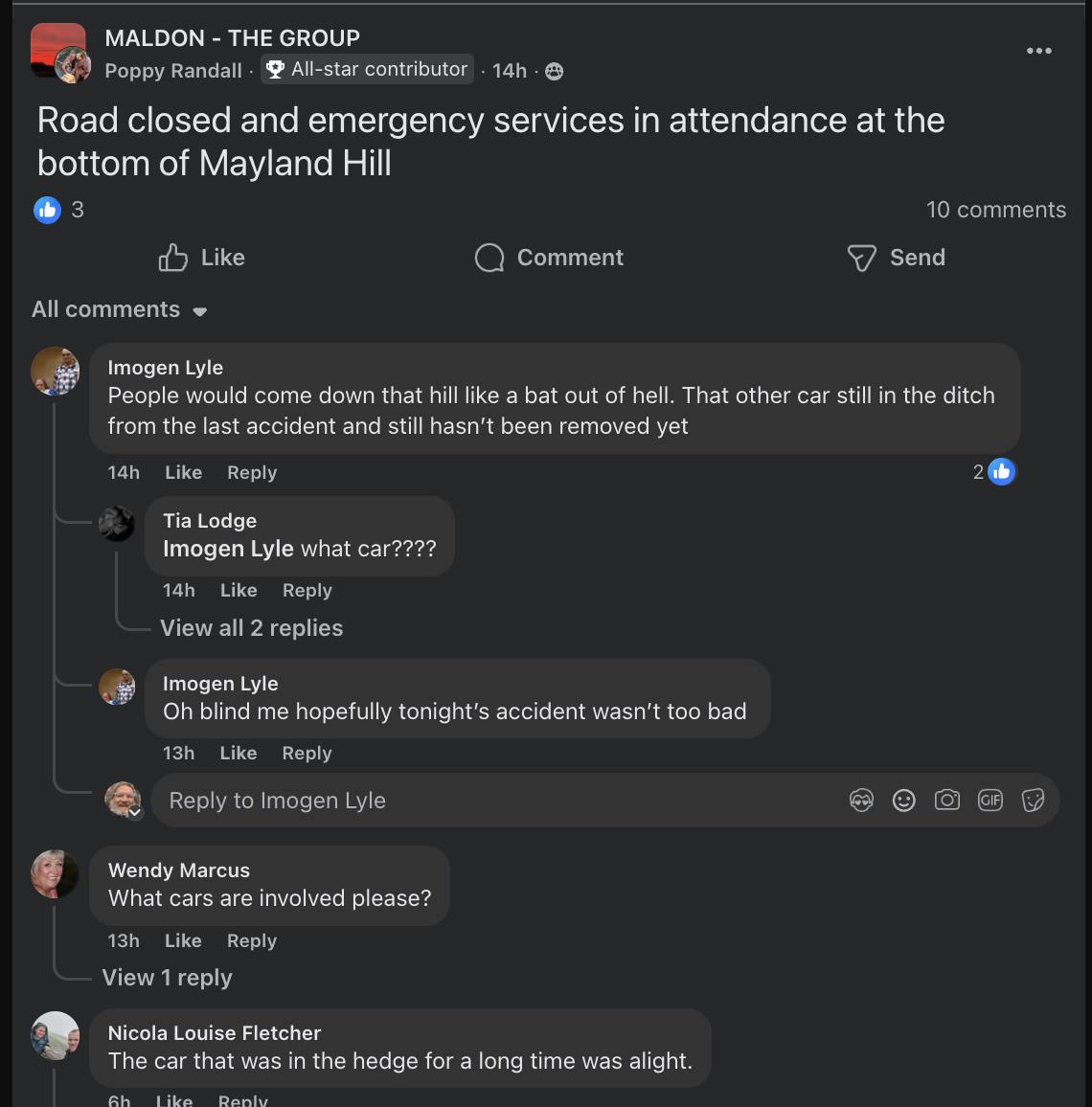
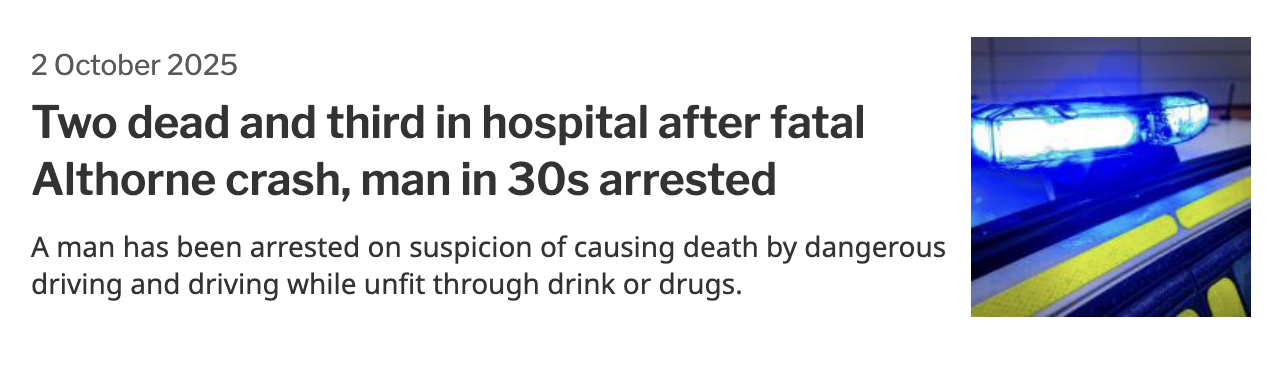
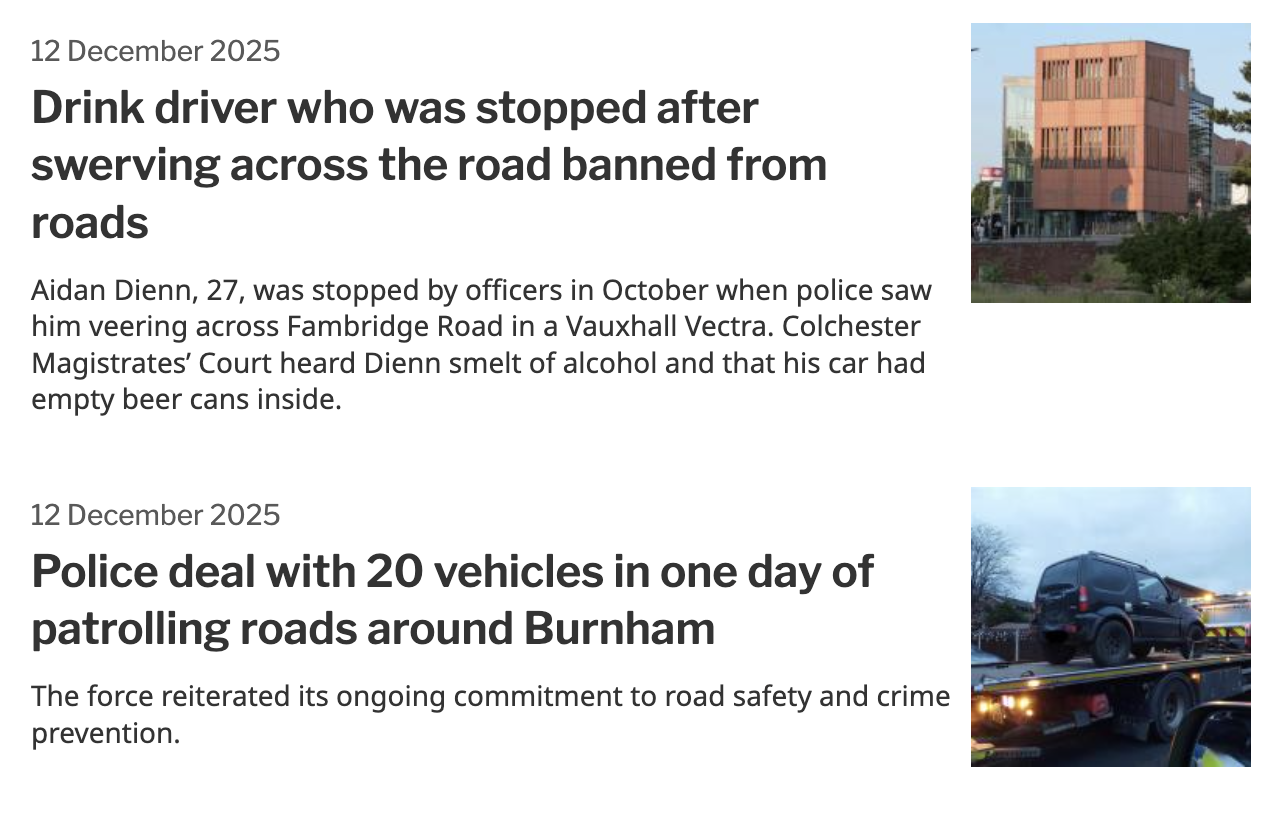
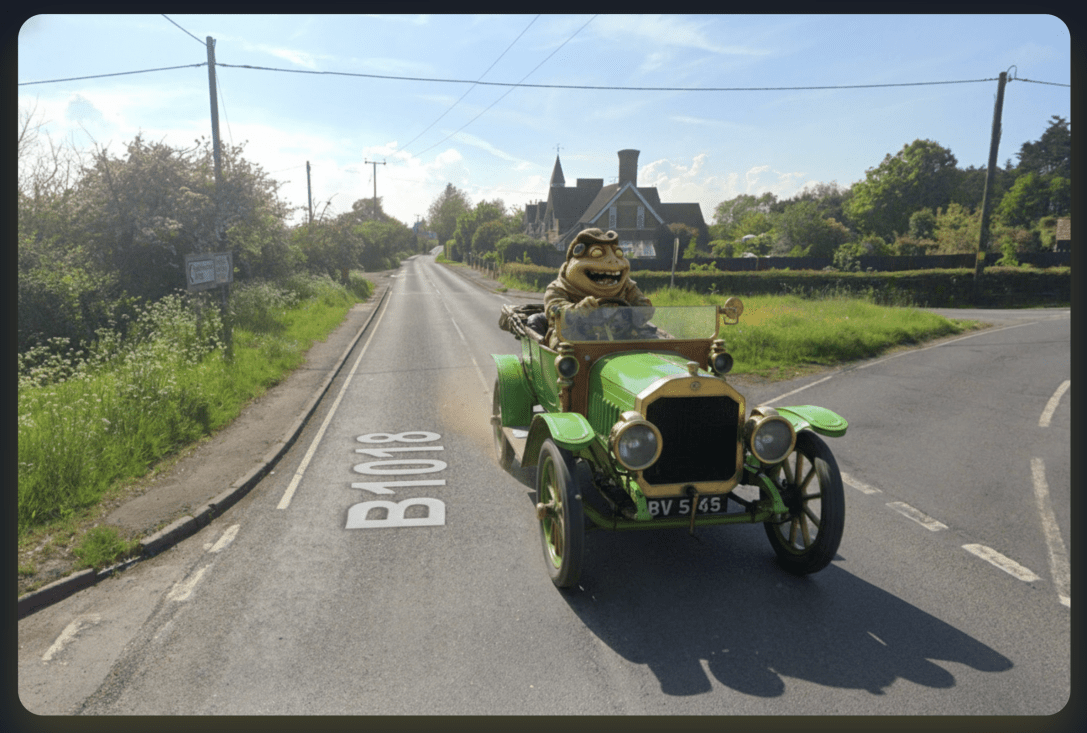
Yesterday saw another collision on Mayland Hill. The B1018 (Southminster Road) around the Mayland Hill/Dairy Farm Road junction is proving to be an accident hotspot. The default ‘national speed limit applies’ is clearly not working for the Dengie’s roads. This is just one location where speed limits need to be reduced with traffic calming infrastructure to enforce slower speeds.
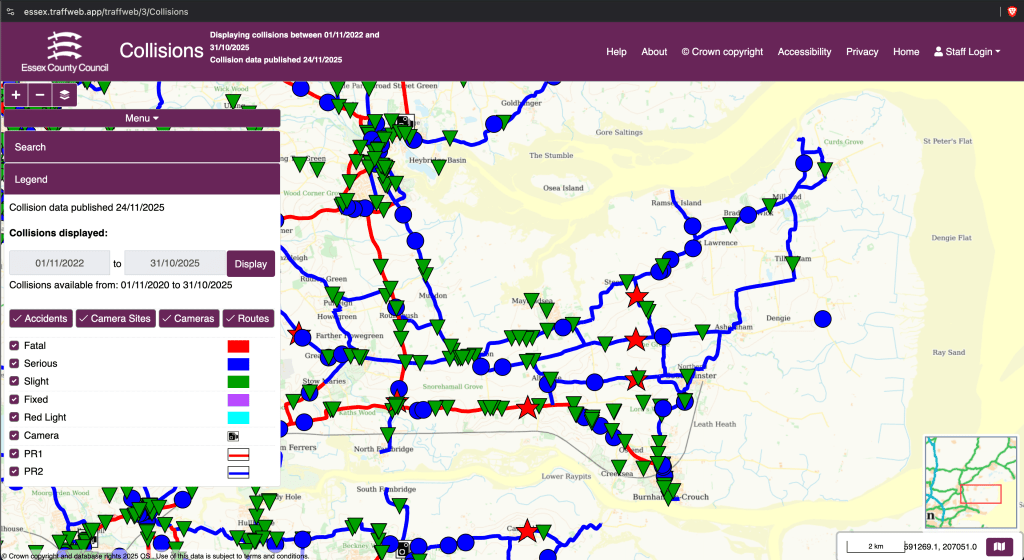
Mayland Hill and Dairy Farm Road are good candidates for ‘Quiet Lane’ status – and to be made priority routes for walkers/wheelers/cyclists. Measures need to be implemented to avoid their use as rat runs. Unless and until, safe segregated direct routes for walkers, wheelers and cyclists are created (connecting every settlement on the Dengie) the carriageway network must be managed to meet the needs and security of all road users. All the tools in the arsenal must be applied.
While it is the drivers of automobiles that hold the responsibility for the increasing jeopardy on our road network, they sadly remain the privileged users of that network.
It makes one bound to ask: when was the first appearance of a motor car on the Dengie?
Was it this leisure run in the June of 1900, the first Summer of the Twentieth Century?
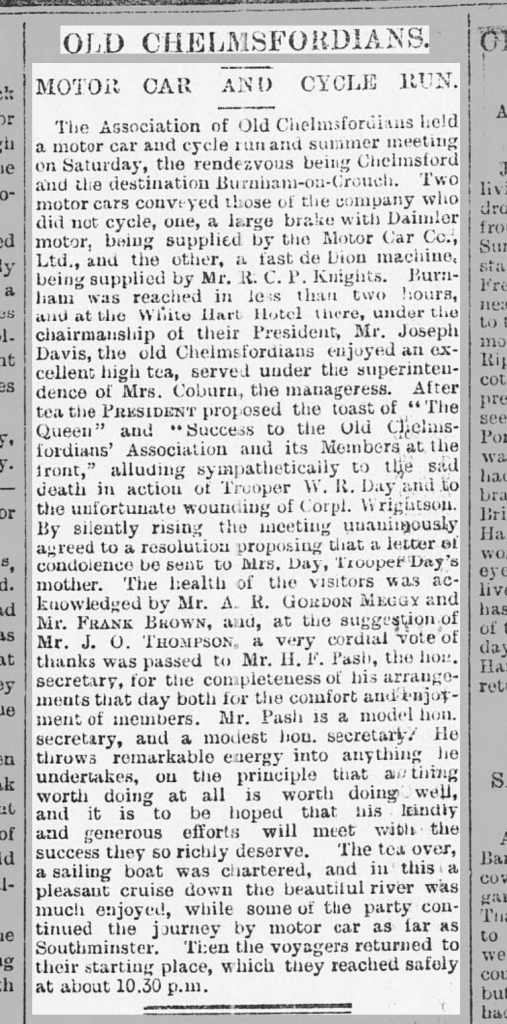
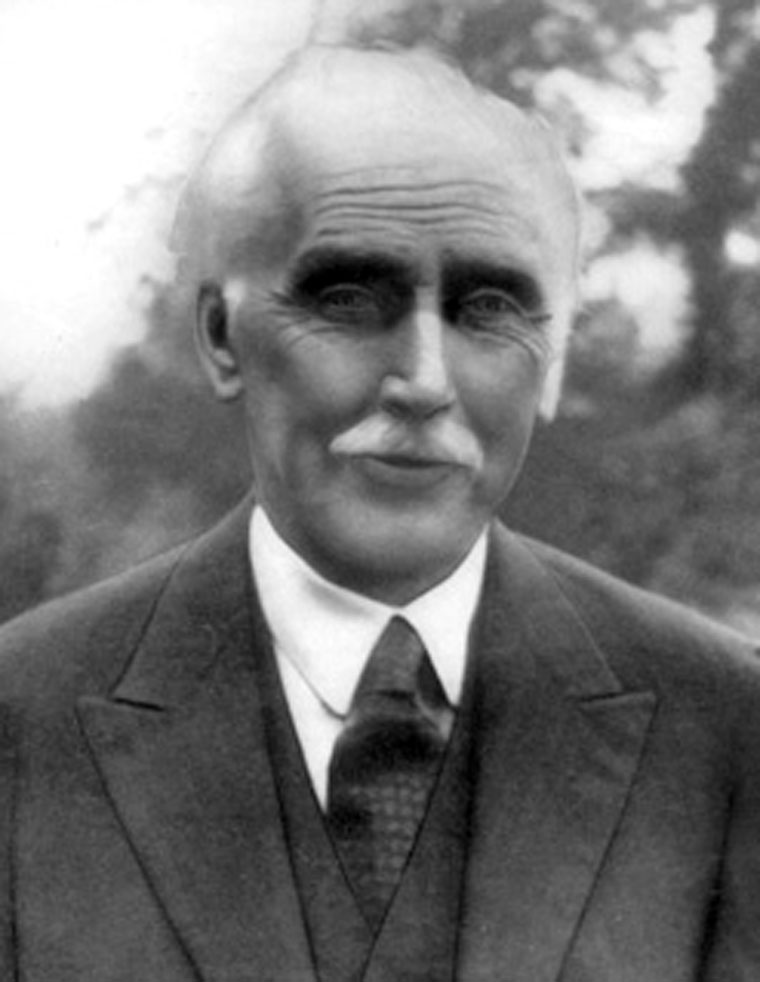
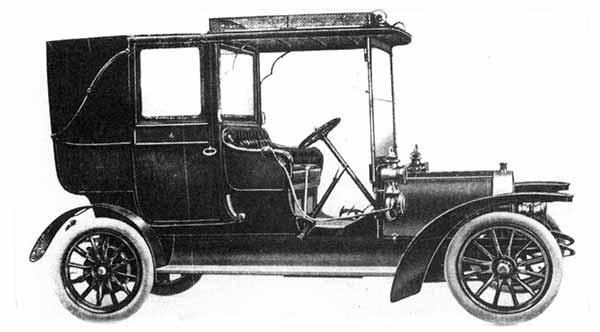
Apparently, Edmund Ernest Bentall of the Maldon agricultural equipment manufacturing family purchased a twin cylinder Georges Richard car in 1900 and become the first motorist in the district (Bentalls later made automobiles themselves) – but it looks like the Old Chelmsfordians may have beaten him out on to the peninsula, travelling as far as Southminster.
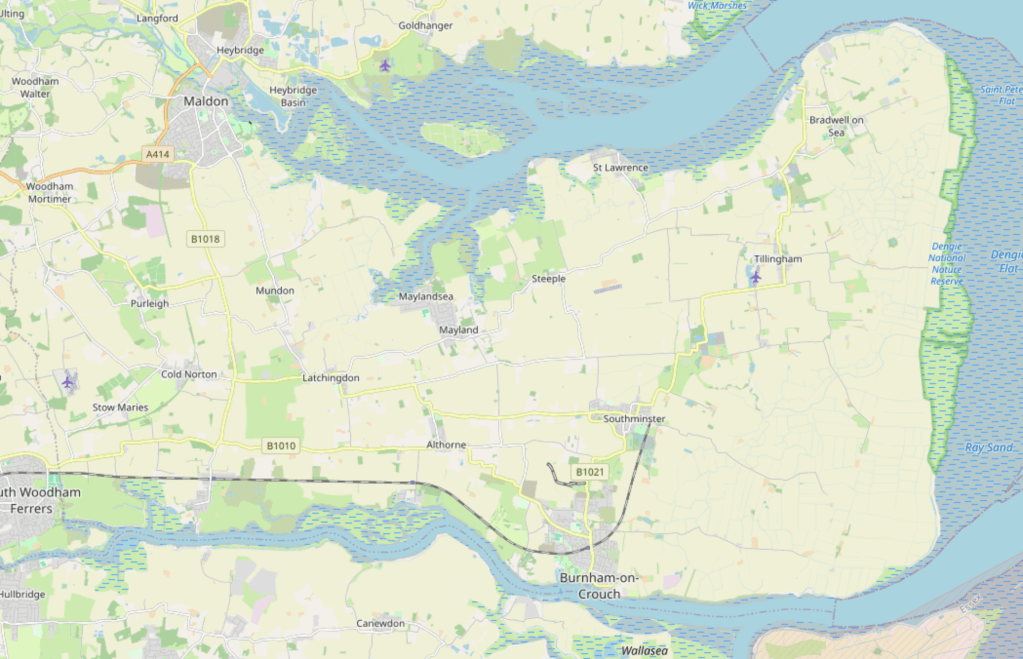
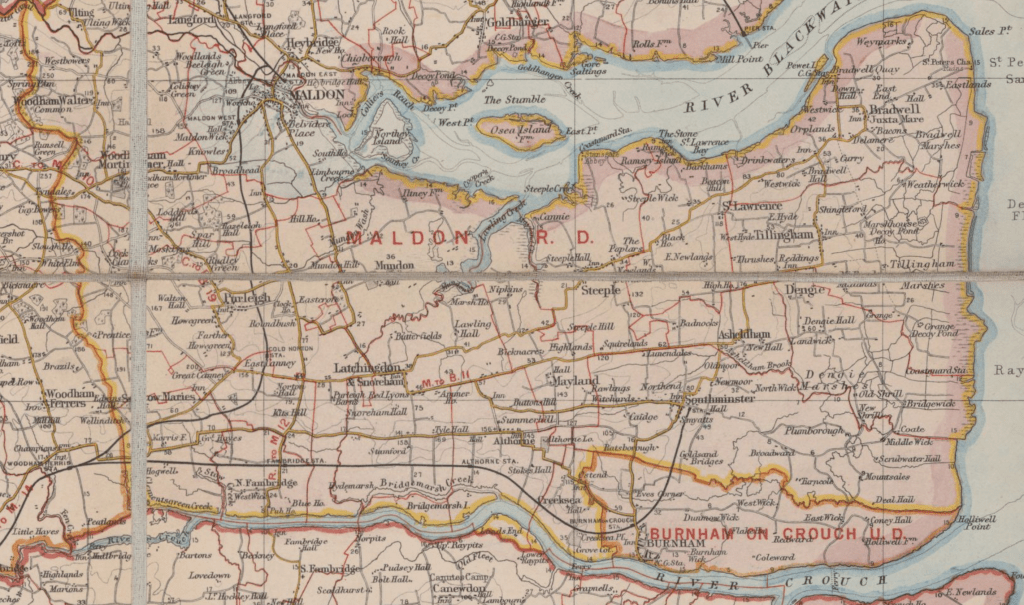
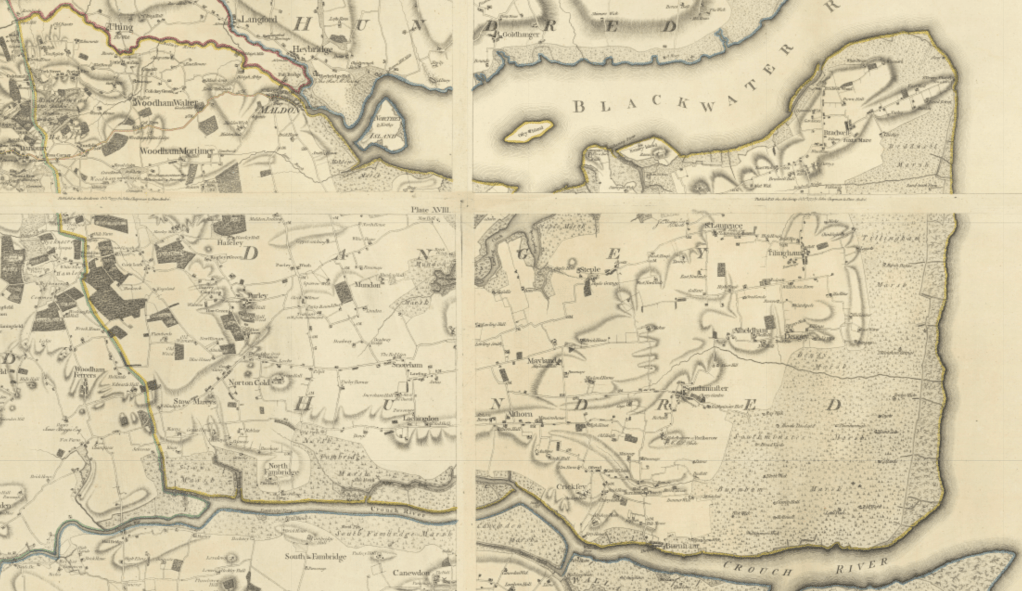
In its course and location, the road network then was much the same then as it is now, indeed as it had been for centuries. These routes were made by walkers, and to a lesser extent horse riders and carters. In the 1890s they were joined by bicyclists.
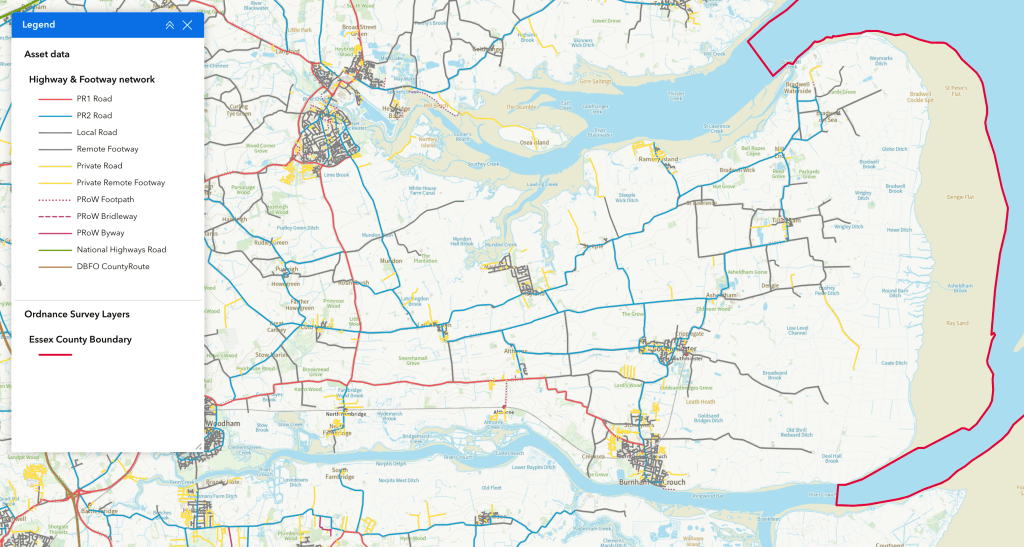
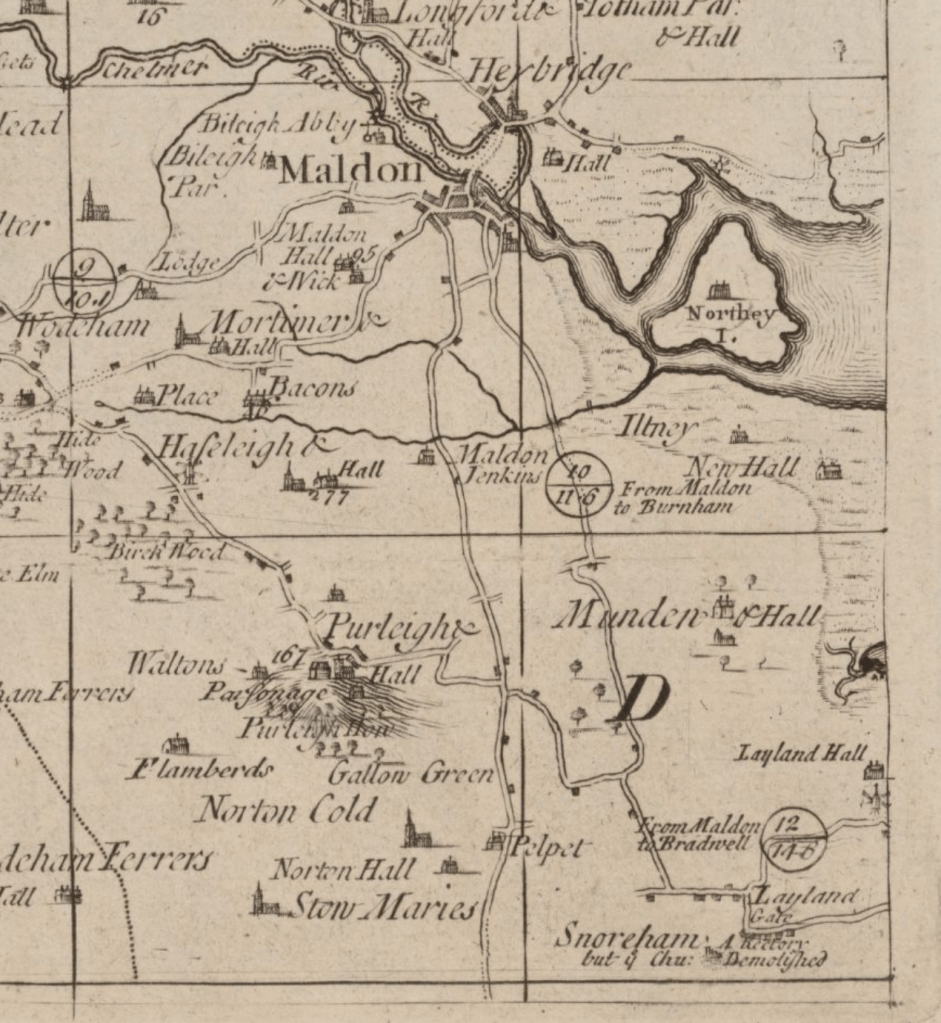
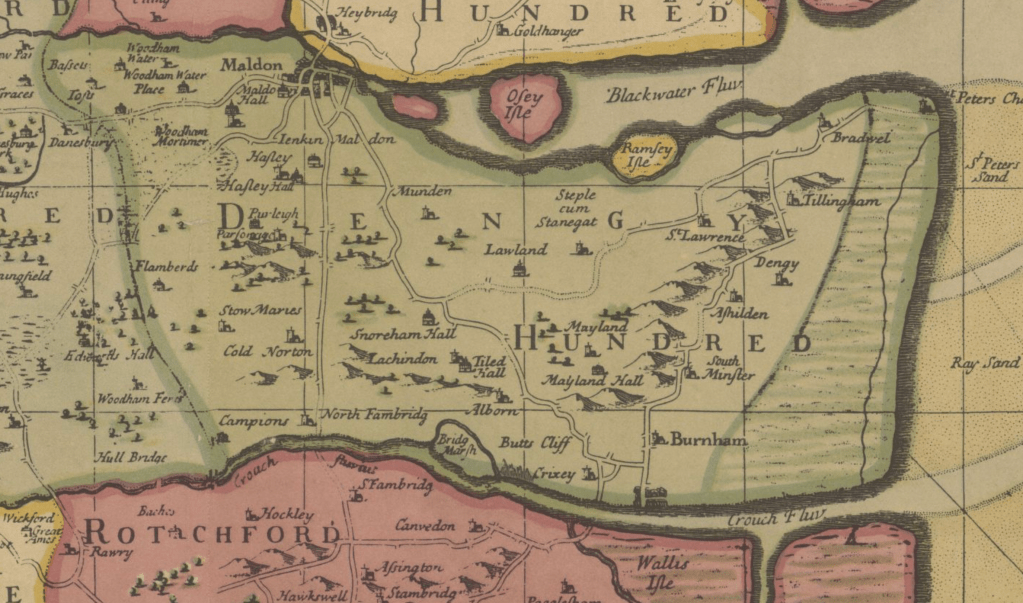
What we now call the B1010, the B1012, the B1018, the B1021, all the ‘priority routes’ recognised by Essex Highways and most of the local roads too, are already visible on the Chapman/Andre Map of Essex of 1777 – the first comprehensive chart of the county. In fact, the major routes on the Dengie could already be seen on a map of 1724: A new and correct mapp of Middlesex, Essex, and Hertford-shire, with the roads rivers sea-coast &c. actually surveyed by John Warburton, Joseph Bland and Payler Smyth.
Much of the B1010, B1018 and B1021 to be, as well as the road running from Latchingdon through Steeple and St Lawrence to Bradwell are seen on the even earlier A map of the county of Essex: by a new survey … (1696) ‘performed by John Oliver’. Undoubtedly, these ways predate mapping and follow the lines of prehistoric pathfinding. They remain the ‘main arteries for the flow of commerce, goods and people‘.
The automobile was the Johnny-come-lately joining road users which had enjoyed these paths for hundreds of years. Bridleways, byways and footpaths were additional to these — not substitutes for them, routes to be retired to when the motor-car demanded the road. The rights-of-way for walkers and riders include the roads they have used since time immemorial.
At first, these the Johnny-come-latelys were slow, inconvenient and rare but as they became faster, accommodating and common they were also, increasingly, not friendly fellow travellers but road-hogs claiming the highway as their own.
Today, both the walker and the rider on these roads finds themselves unwelcome and endangered on the very ways that their forebears chose and formed. What are they doing on the road!?!?!?! cries the driver.
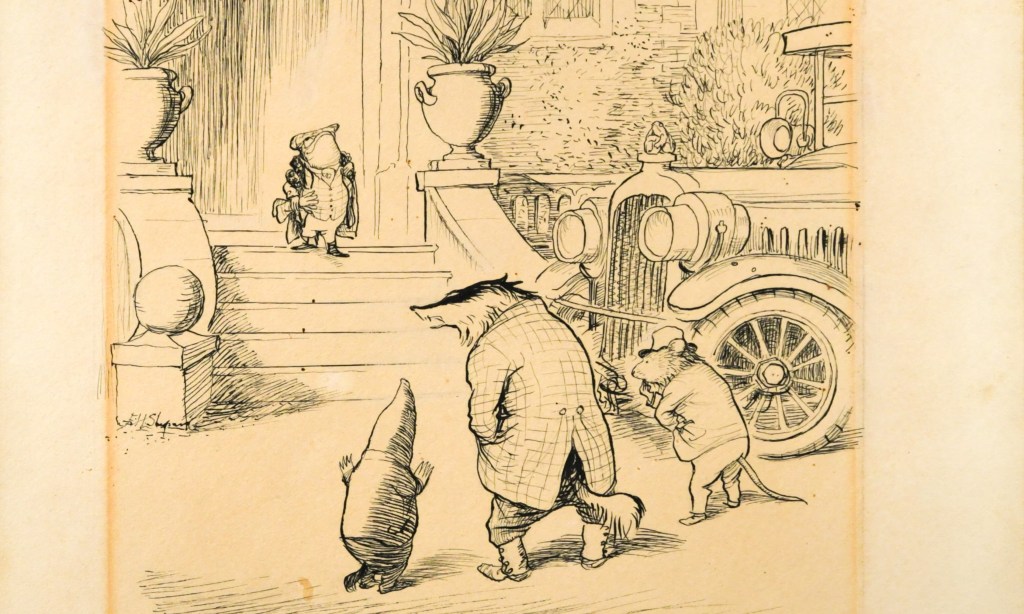
As Kenneth Grahame described in The Wind in the Willows (1908):
“They were strolling along the high-road easily, the Mole by the horse’s head, talking to him, since the horse had complained that he was being frightfully left out of it, and nobody considered him in the least; the Toad and the Water Rat walking behind the cart talking together–at least Toad was talking, and Rat was saying at intervals, ‘Yes, precisely; and what did YOU say to HIM?’–and thinking all the time of something very different, when far behind them they heard a faint warning hum; like the drone of a distant bee. Glancing back, they saw a small cloud of dust, with a dark centre of energy, advancing on them at incredible speed, while from out the dust a faint ‘Poop-poop!’ wailed like an uneasy animal in pain. Hardly regarding it, they turned to resume their conversation, when in an instant (as it seemed) the peaceful scene was changed, and with a blast of wind and a whirl of sound that made them jump for the nearest ditch, It was on them! The ‘Poop-poop’ rang with a brazen shout in their ears, they had a moment’s glimpse of an interior of glittering plate-glass and rich morocco, and the magnificent motor-car, immense, breath-snatching, passionate, with its pilot tense and hugging his wheel, possessed all earth and air for the fraction of a second, flung an enveloping cloud of dust that blinded and enwrapped them utterly, and then dwindled to a speck in the far distance, changed back into a droning bee once more.
The old grey horse, dreaming, as he plodded along, of his quiet paddock, in a new raw situation such as this simply abandoned himself to his natural emotions. Rearing, plunging, backing steadily, in spite of all the Mole’s efforts at his head, and all the Mole’s lively language directed at his better feelings, he drove the cart backwards towards the deep ditch at the side of the road. It wavered an instant–then there was a heartrending crash–and the canary-coloured cart, their pride and their joy, lay on its side in the ditch, an irredeemable wreck.
The Rat danced up and down in the road, simply transported with passion. ‘You villains!’ he shouted, shaking both fists, ‘You scoundrels, you highwaymen, you–you–roadhogs!–I’ll have the law of you! I’ll report you! I’ll take you through all the Courts!’ “
Drivers on the Dengie are victims of car dependence themselves. Where are their mobility options? Where is their freedom to choose their form of transportation? How can they escape the traffic to which they contribute? Why must they be bound to the expense and upkeep of a private vehicle? How are they to be protected from dangerous drivers, from speed limits that are not set at safe levels?
Providing mobility freedom, making our roads safer and calmer, and making a fairer use of our route network all require investment in, and attention to, active and public transport. We need to rECOnnect Dengie
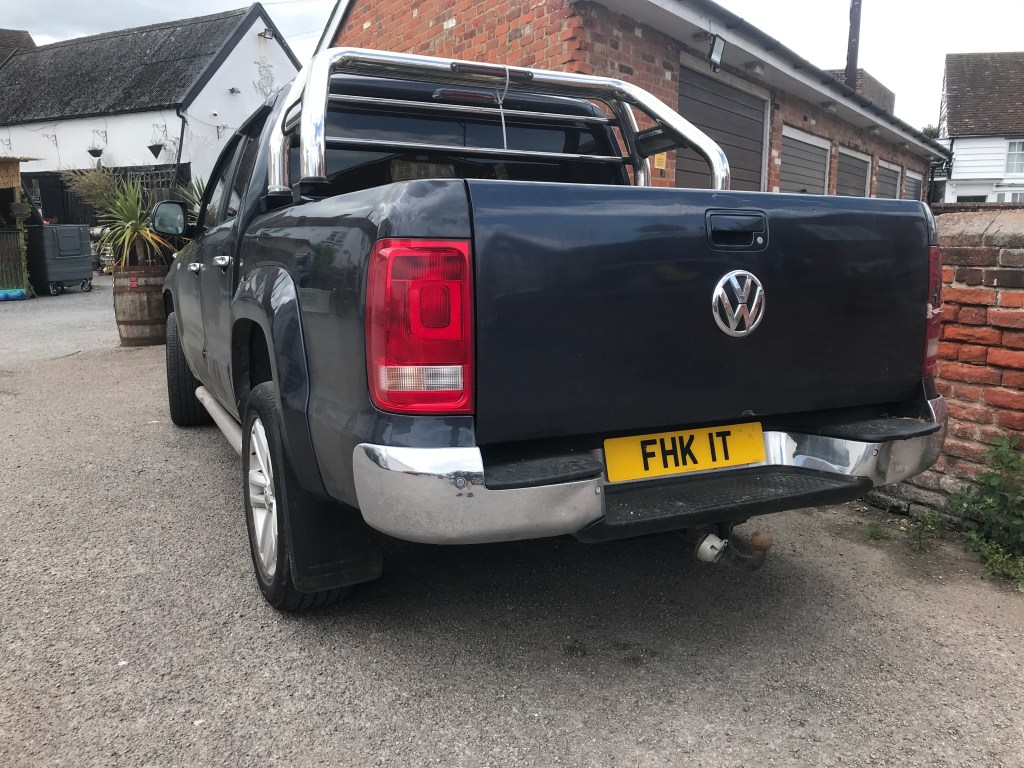
“You knew it must come to this, sooner or later, Toad,” the Badger explained severely. “You’ve disregarded all the warnings we’ve given you, you’ve gone on squandering the money your father left you, and you’re getting us animals a bad name in the district by your furious driving and your smashes and your rows with the police. Independence is all very well, but we animals never allow our friends to make fools of themselves beyond a certain limit; and that limit you’ve reached. Now, you’re a good fellow in many respects, and I don’t want to be too hard on you. I’ll make one more effort to bring you to reason.”


 Dengie Bioregion