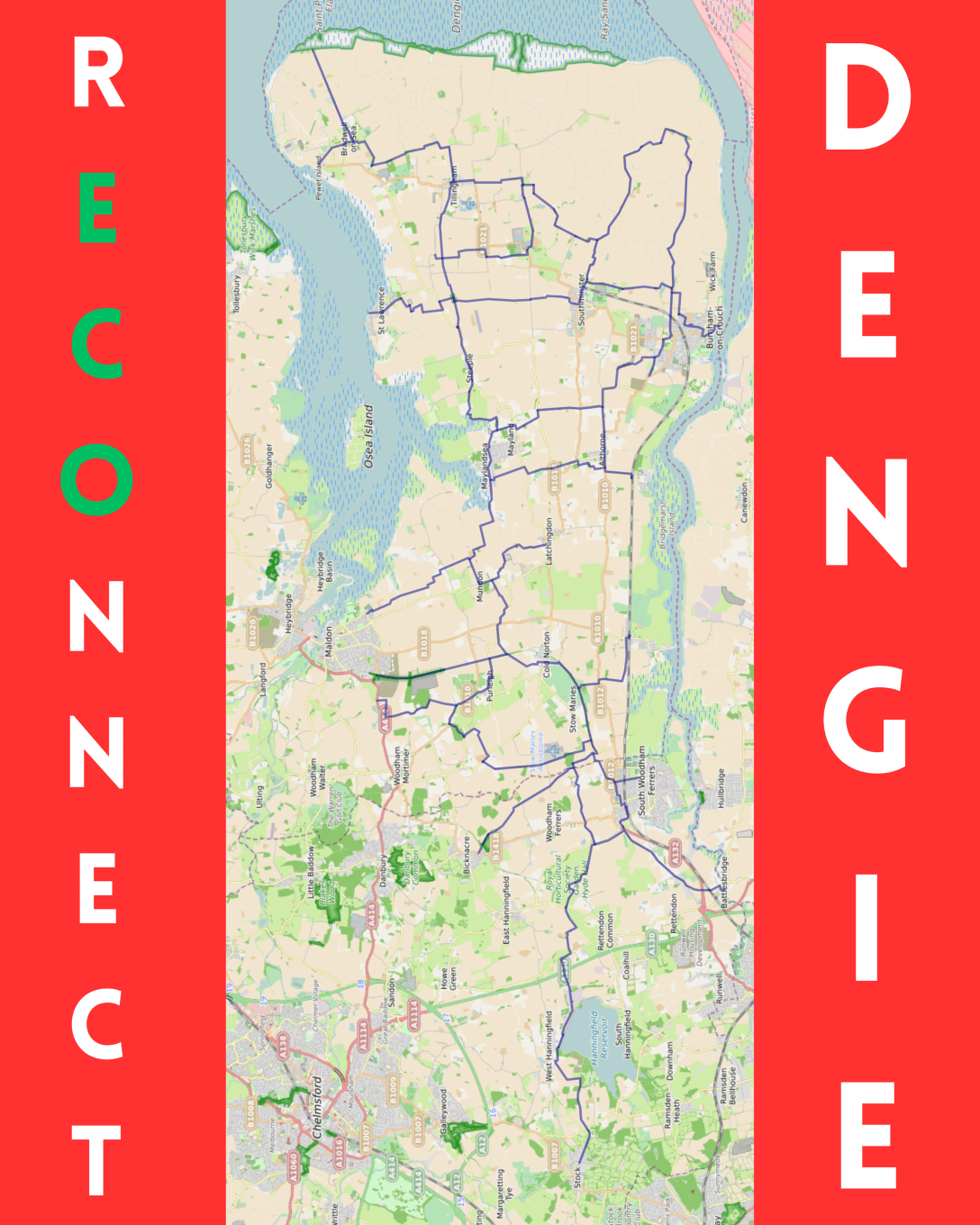
The recent and successive cycle strategy documents from Essex and Maldon have failed to suggest what cycle routes on the Dengie could look like – so, I’ve had a go…
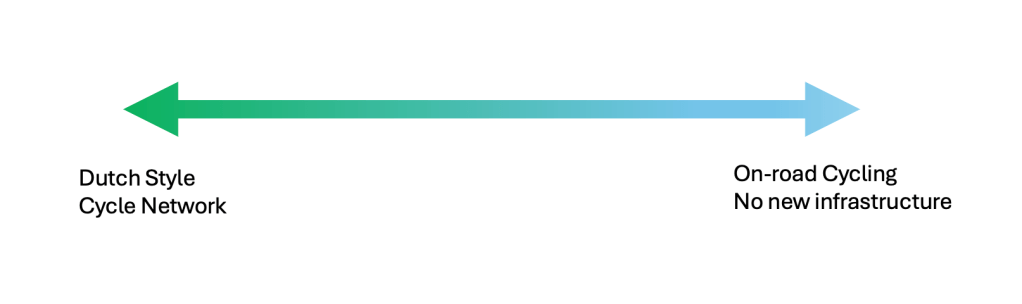
Read more: Push Biking[I should start by stating that the ideal situation would be a Dutch style network, including completely new cycleways taking the most direct line between settlements. This is the only option that would achieve the aim to ‘deliver a world-class cycling and walking network in England by 2040’ expressed in ‘The second cycling and walking investment strategy (CWIS2)’ published under the 2019 to 2022 Johnson Conservative government.

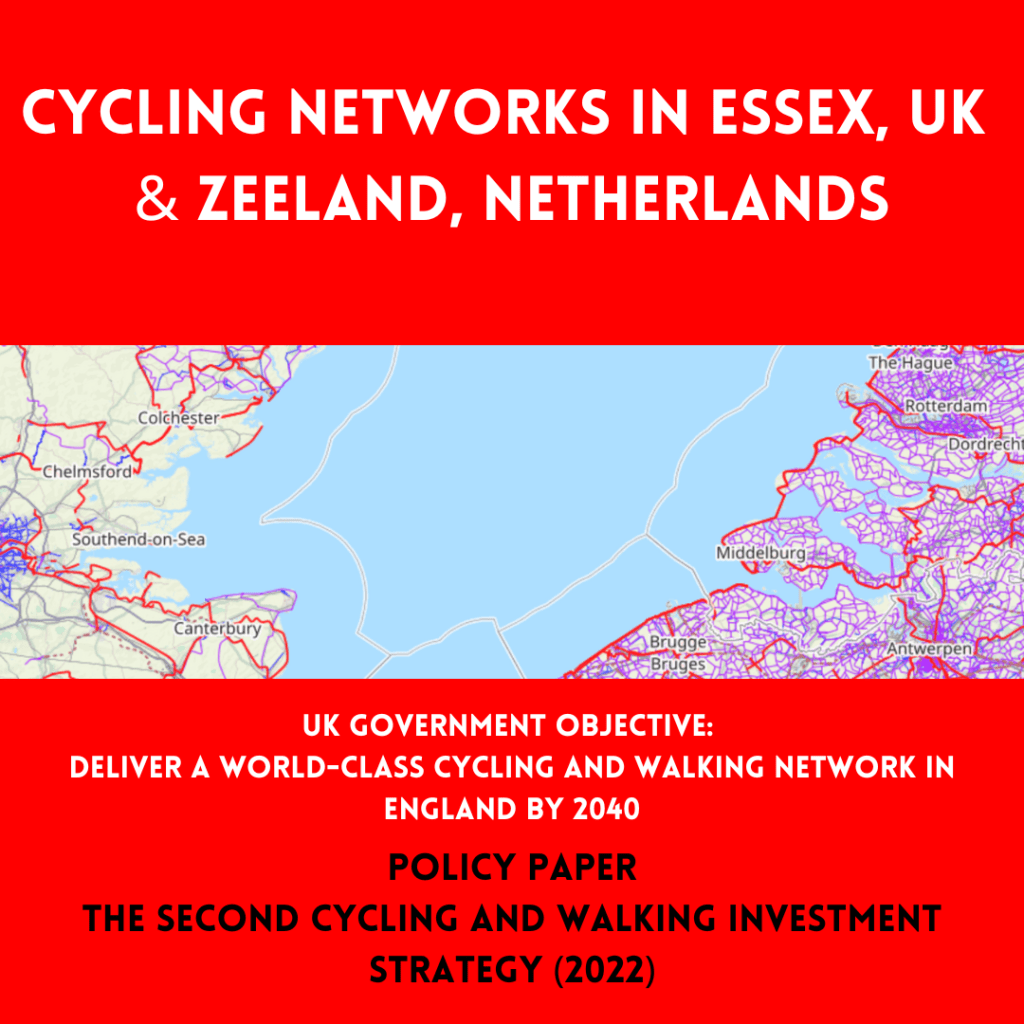
Despite this being the only option that would meet the national objective, if we place it at one end of an excellent-to-useless-spectrum, then the other end is no-change and cyclists left to fend for themselves on the existing road network. (A bit of signage and some lines painted on the road would be barely better.)
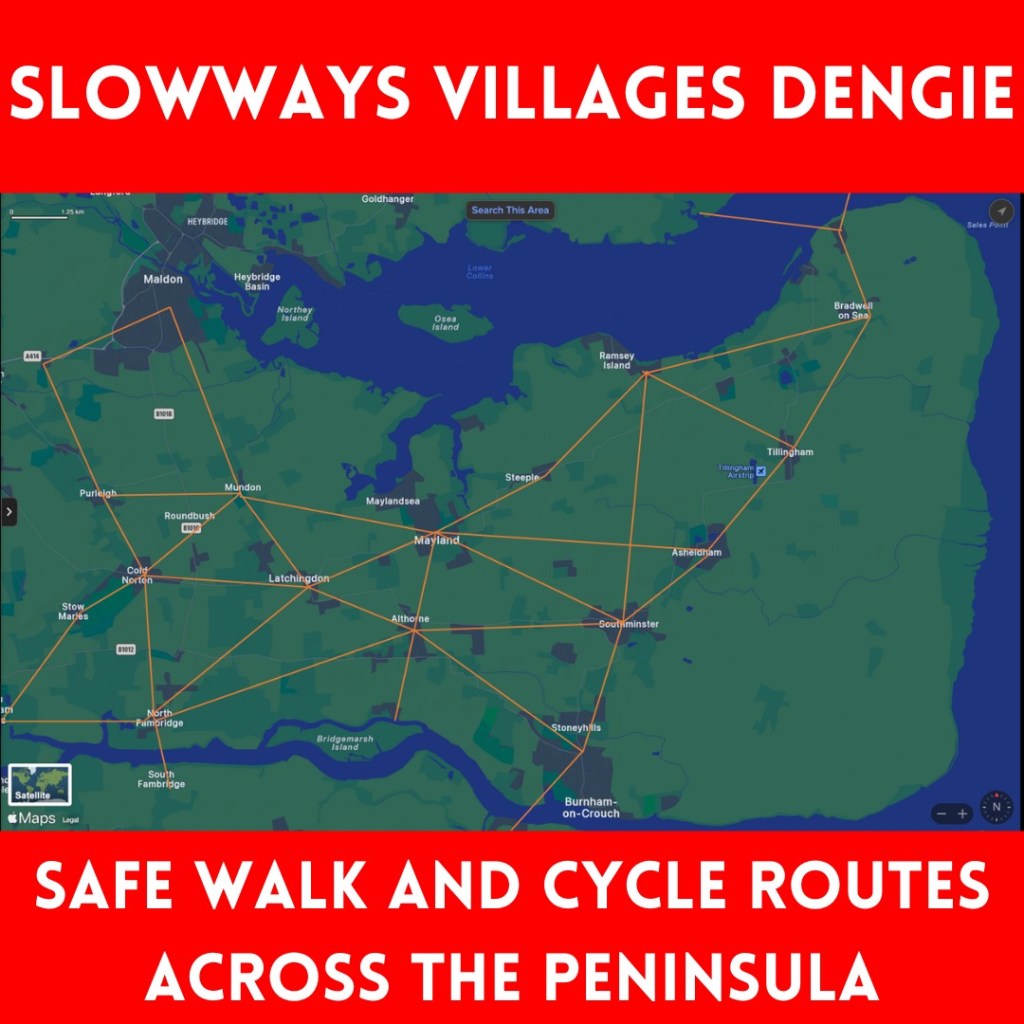
I’ve started with the rECOnnect Dengie aim that every settlement on the peninsula should be connected with a safe active travel route. Railway station and ferry routes should be connected to the network.
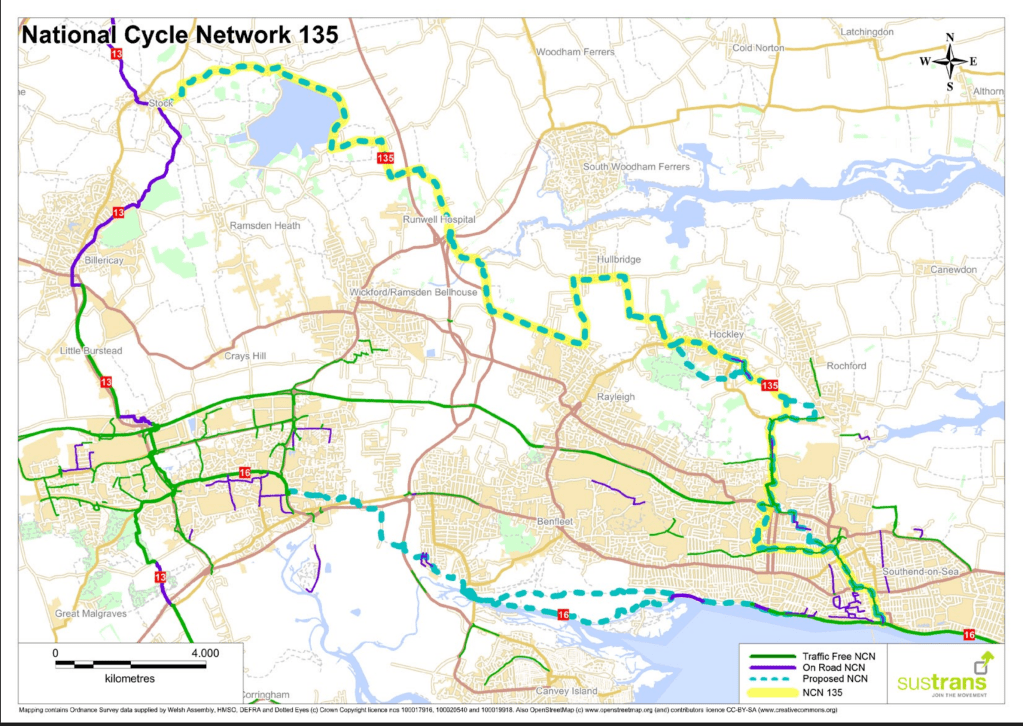
I’ve also looked for how Dengie routes could be connected both to the urban cycle networks in Maldon town and South Woodham Ferrers, and to the National Cycle Network (with connections to NCN 1 at Maldon, NCN 13 at Stock, and the proposed NCN 135 [pdf] at Battlesbridge.
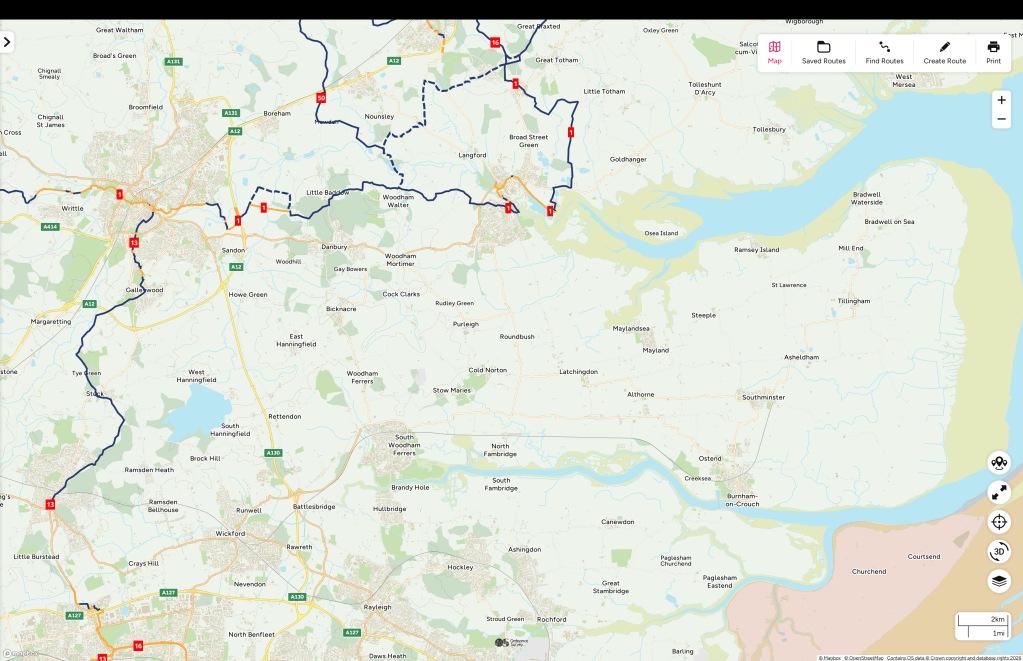
Following the Essex Local Cycling and Walking Infrastructure Plan statement that rural routes will draw on bridleways, byways and quiet lanes I’ve tried to follow that as best I could to meet our aim.
I began with using the few bridleways and byways we have, but we don’t have many of them.
We have a better footpath network, and footpaths can be awarded ‘higher rights’ (e.g. use by bicycles) so I’ve tried to fill gaps with them but this still leaves a lot missing.
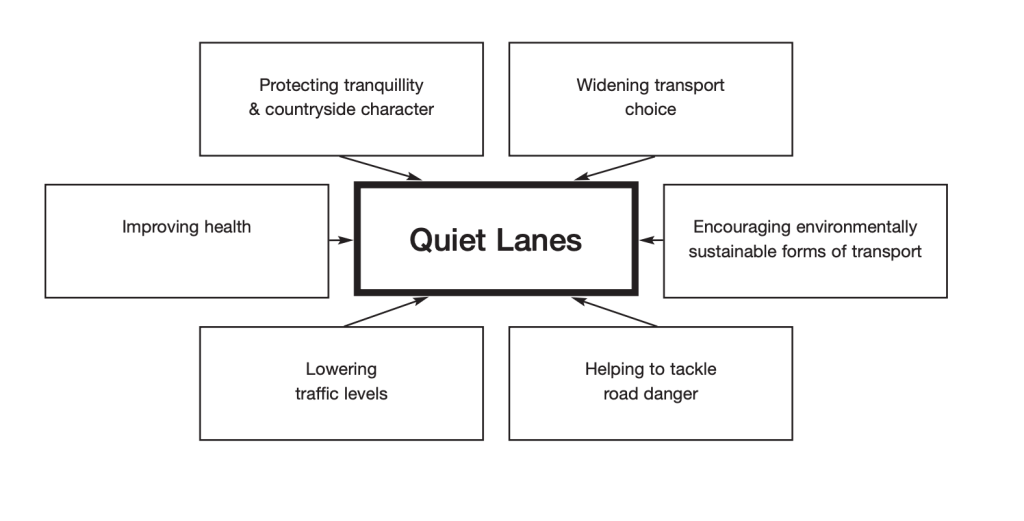
Maldon District currently has no roads designated with Quiet Lane status but I then proceeded to use roads which I think would be appropriate for such a status (avoiding the ‘priority’ PR1 and PR2 roads). Quiet Lane status should being slower speed limits and traffic calming infrastructure.
This still doesn’t provide a network that meets the objective of connecting every settlement, so I’ve then proposed sections over land that currently has no public rights of way (PROW). This will always be controversial and argued over – but cannot be avoided. Here I have prioritised old railway alignments, solar/wind farm access roads and existing farm tracks.
This still leaves some things unaddressed – Latchingdon, for example, is hard to link into a network using existing PROW and avoiding ‘priority roads’; Similarly, connecting North Fambridge and Althorne, other than by the indirect seawall route – bolder plans are necessary here.
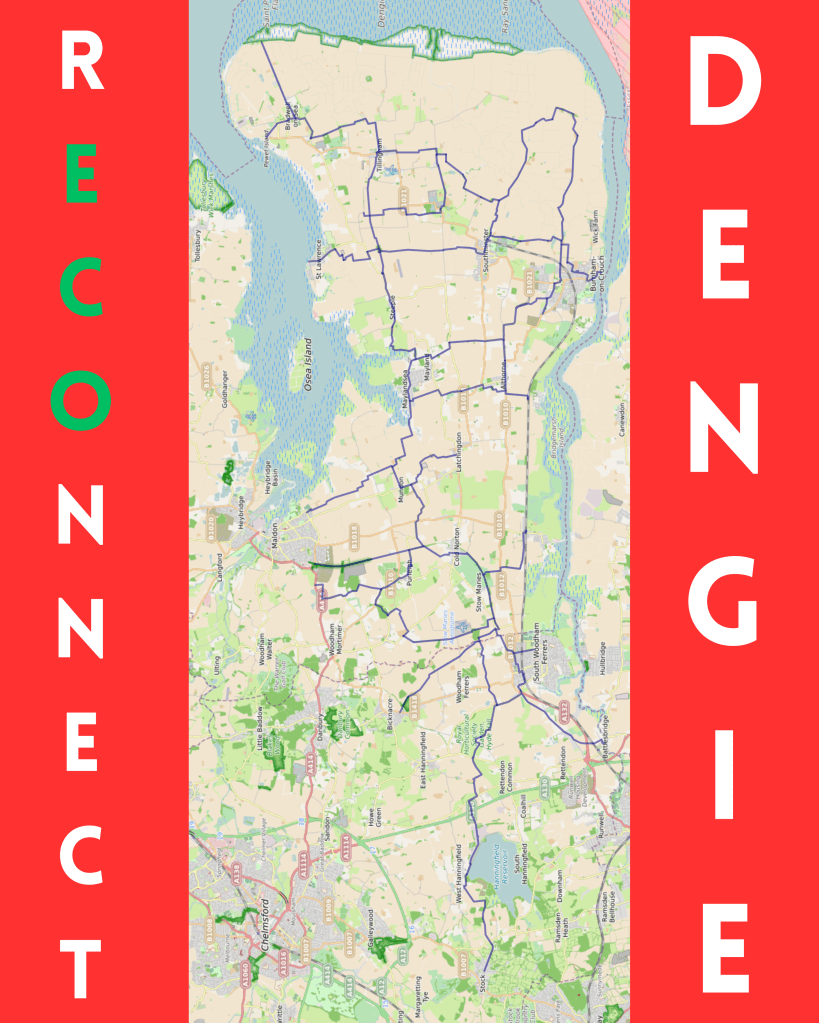
The map in the first image is purposely large-scale to avoid instant arguments over routes but I’m happy to share more detailed mapping with anyone who wants to get involved with planning and proposing a network. More local knowledge would certainly improve the routing.
Who wants to meet up and work it out?
 Dengie Bioregion