Bioregioning: Ed Tyler

6461194355_347591725f_z
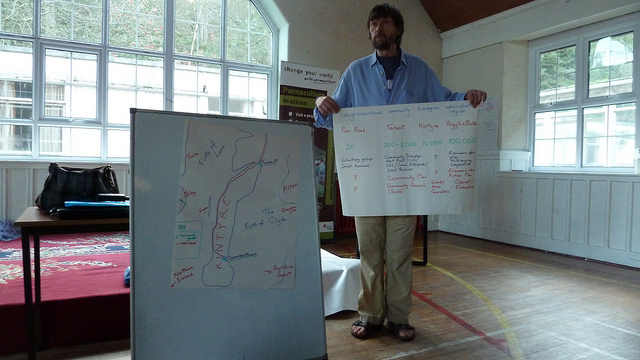
Ed Tyler’s Bioregional Food Mapping Session at the National Permaculture Diploma Gathering November 2011

Permaculturalist Ed Tyler has been exploring bioregional action and thought up on his own peninsula in Kintyre. With the name of his blog he has coined a new word for the re-inhabitation lexicon: bioregioning.

He goes on to define the word on the blog About page.

Bioregioning: from verb “to bioregion”; act of bringing your bioregion into existence through:-

 grounding, connecting, celebrating, belonging

This usefully re-positions what can easily become a philosophic exercise in just thinking about bioregions into an action focussed process in manifesting bioregions.

He continues by inviting us to engage with some activities he associated with bioregioning, which I clumsily summarise as:

  • Wander
  • Garden
  • Make connections with nature
  • Make connections with neighbours
  • Celebrate

But it’s really worth reading Tyler’s longer form descriptions. Similarly he lists what Bioregioning involves:

  • slowing down, looking and feeling inward and outward to the land, water, creatures and people around you
  • making music, clothes, buildings, sculptures, relationships, furniture, poems, paintings and other necessities from locally available materials
  • cycling and sharing resources, money and energy within your region
  • growing and eating locally sourced, seasonally abundant, food
  • networking and collaborating with each other to build diverse communities and ecologies

I think that his simple rendering of bioregioning provides a good pointer towards ‘next steps’ after I complete the Bioregional Quiz questions (that’s right, I’ve not forgotten about these!)
blog-tree-pattern
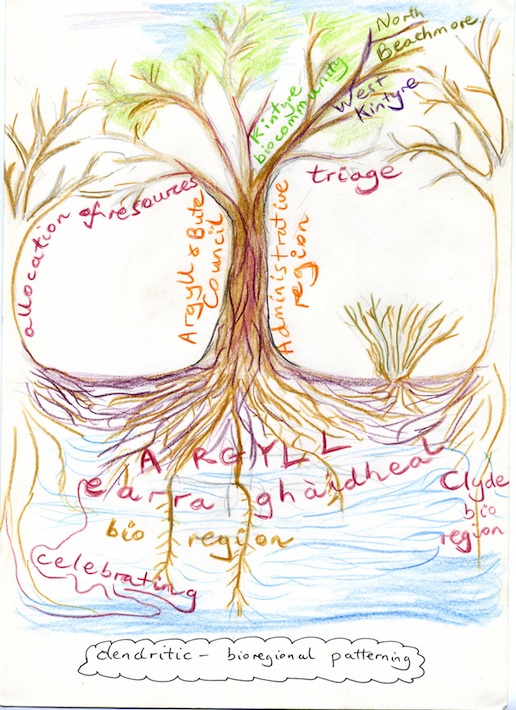
Some of Ed Tyler’s bioregional mapping


Get out of Debt!

11644069604_effddc206f_z
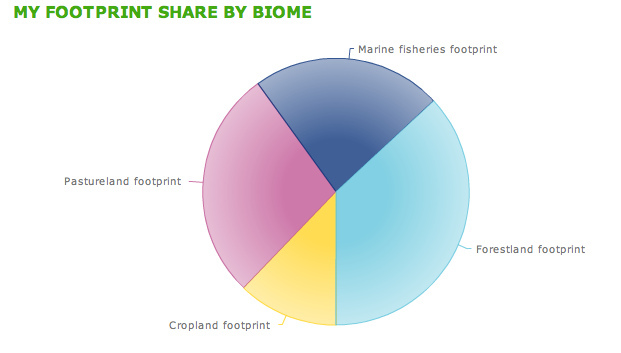
My ecological footprint across biomes, calculated in 2013

Back in the middle of the first decade of the C21st, Essex County Council briefly ran a website http://www.agreeneressex.net/ with a purpose to ‘take sustainability on’ in Essex. That link is dead, and many of the plans it presented are also lifeless now,  but some of the site remains preserved here at the Internet Archive for review.

Around 2006 the site reported on Essex’s environmental footprint, highlighting that if all the populations of the world consumed natural resources as we do in Essex, we would require 2.9 planets to sustain it. It doesn’t source its calculation, but the number is broadly in line with the UK’s environmental footprint around the same period as reported by the World Wide Fund for Nature in Ecological footprint of British city residents.  Continue reading “Get out of Debt!”

Greenhouse Britain


storm
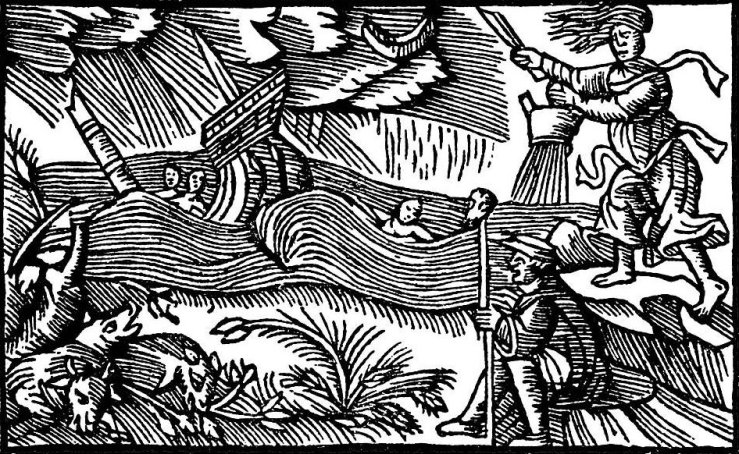
A witch conjures a storm and brings terror to the seas, woodcut from ‘Historia de Gentibus Septentrionalibus’, (1555)

The next report from the  Intergovernmental Panel on Climate Change is due late in 2019. The lag time between data gathering and data publication, plus the need for an agreed consensus amidst the contributors have conspired in previous editions to present overly optimistic scenarios, it’s now widely recognised that they’ve routinely underestimated the rate of global warming. A recent study suggests that we might see 1.5 metres of sea-level rise before 2100: ‘Revised median RSL [relative sea-level] projections for a high-emissions future would, without protective measures, by 2100 submerge land currently home to more than 153 million people’. If we don’t avoid those high-emissions scenarios we’re also locking in greater future sea-level rises as Antarctica and Greenland give up their land-based ice to the sea.

A look over the Dengie’s sea walls at high tide and imagining another 150cm of water is a sobering matter – factor in the conditions that caused the spate of inundations referred to in a previous post and you can see we have a problem. Continue reading “Greenhouse Britain”

Managed Retreat

Screen Shot 2018-03-31 at 09.50.06
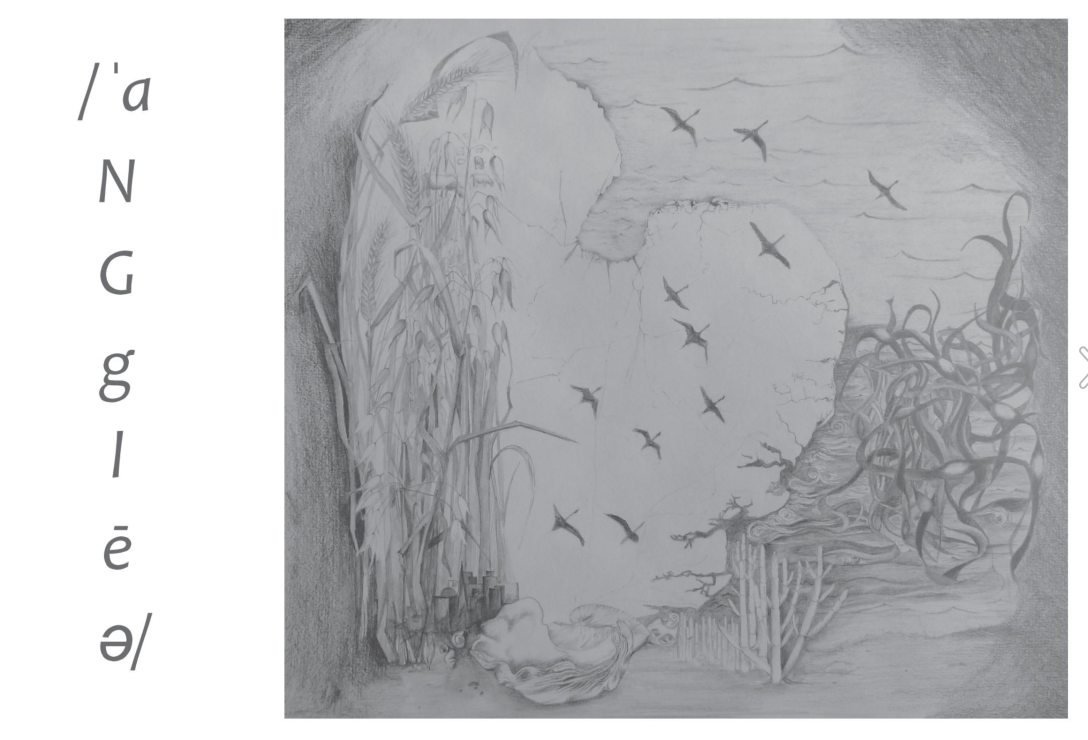
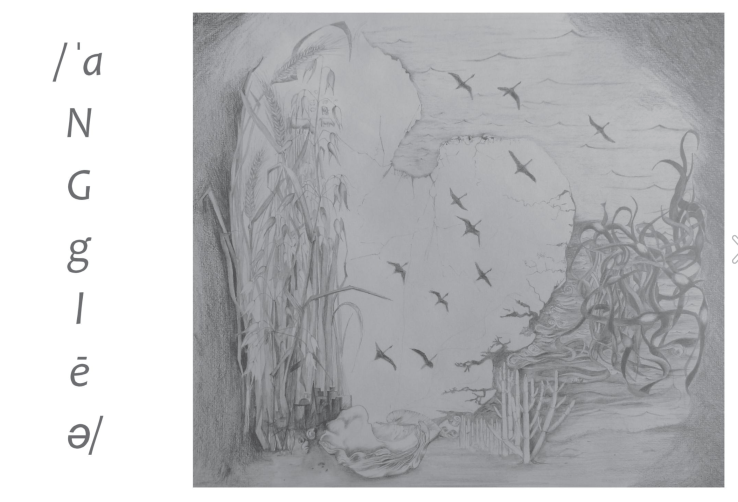
Anglia (2013) by Claire White

My work on bioregional thinking for the Atlantic Archipelago began with Managed Retreat a magazine considering the English orient which includes work relating to the Dengie. You can read Issue 1 below:

A limited number of printed copies of the newspaper format edition are still available for £5 each. If you would like one please use: https://www.paypal.me/JPTaylor/5