I’m concerned by groupthink and getting trapped in an intellectual bubble where my own opinions are reflected back to me.
To counter that I read across the political spectrum, and on social media I follow people who have differing perspectives on the world. On Twitter this has always included people whose views I strongly disagree with, but it seemed a worthwhile attempt to try and understand rather than rush to judgment. I still think there is value in this.
The Muskification of Twitter has released a broader range of right wing views than I feel comfortable with but comfort is not an important intellectual characteristic. Discomfort can be a useful clarifier of our own positions and can expose our prior assumptions. it’s always useful to be aware of what we take for granted.
Sometimes people are just arseholes though and their execrable opinions and prejudices don’t contribute anything useful to the ‘great conversation’. I will unfollow people, and remove their input from my SM streams whenever I judge it right to do so. The ‘For You’ feed of Twitter these days is like a Nazi biker bar at 2am and the ‘Following’ feed requires careful curation if you want to keep the methheads out.
Read more: UnfollowedThis is often a quick decision, swiftly implemented but not always. There are some voices I give more leeway to, more time. On Twitter I follow thousands of people, so I generally don’t recall who someone is, what they are about, why I followed them in the first place. When a post, or more commonly a series of posts by someone, gives me cause to think about whether I still want to follow them the first thing I do is go check their profile page. This helps me think again about why I followed them and can make me decide that despite the posts that concerned me I will continue to allow them in my feed.
Over the last year I’ve noticed that I have repeatedly disagreed with posts from a person I follow and have kept going back to her profile. There I note the words ‘future’ and ‘design’ in their handle, I see we have many mutual follows and I read in their bio ‘Advocate for reclaiming the natural and social commons for all. I follow a motley bunch to burst bubbles including my own’ . Each time this has been cause enough for me to choose not to unfollow. I see shared interests, I see a direct reference to following ‘a motley bunch’ and the desire to burst groupthink that I share.
This morning though my feed delivered a repost that I think must be the camel back-breaking straw. I have to admit I’ve been more generous with her in the past than I really should and that I don’t think that I’ve actually read anything posted by her that stirred me intellectually or provided a useful challenge to my thinking.
She doesn’t have the ‘retweet does not equal endorsement’ disclaimer in her bio but I give folk some leeway in this. As a reader we can use context to understand what, and to what purpose, something is shared. We can also situate an individual RT within the wider output of an individual.


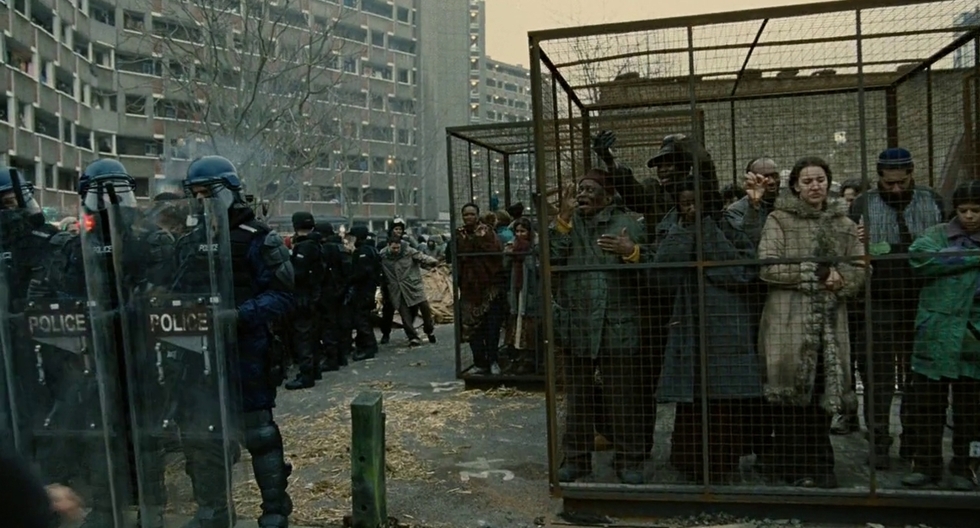
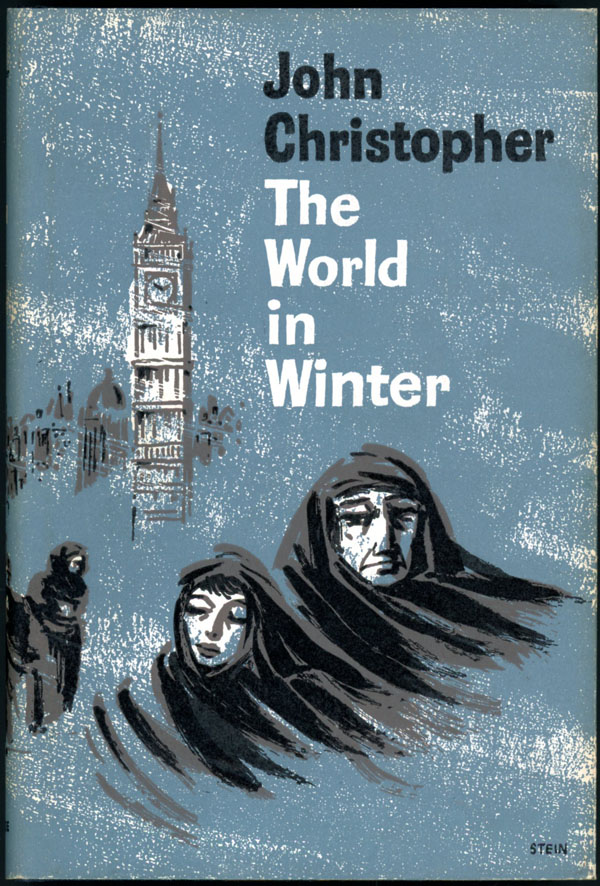
Considering both context and her output, her strong anti-immigration stance has been evident from the start but I feel it is important to understand people’s concerns on this issue. Concern about immigration is not equivalent with racism, even when every racist is anti-immigration. The climate crisis seems likely to produce the largest human migration in the history of our species and we will, necessarily, be having conversations about it for centuries. This climate migration will include people escaping unliveable wet bulbs temperatures, permanent drought, flooding and more.
We tend to imagine this being about people fleeing hot equatorial regions or exotic low-lying islands for other counties but it will also include internal migration of people from, say, English coastal towns and cities to inland villages and rural uplands. It may be people from these islands post an AMOC collapse seeking better lives in warmer climes. So, although she’s previously posted and/or reposted some increasingly provocative stuff about migration to Ireland, I’ve thus far kept it in my feed. Then you get this share with an accompanying video mash-up:
“Our European Ancestors are the ones who built EVERYTHING and they were Masculine Leaders, our White Race should idolize and look up to our Ancestors because they knew how to Fight, Defend and Protect their loved ones, they weren’t brainwashed by jews to attack our own White Race….”
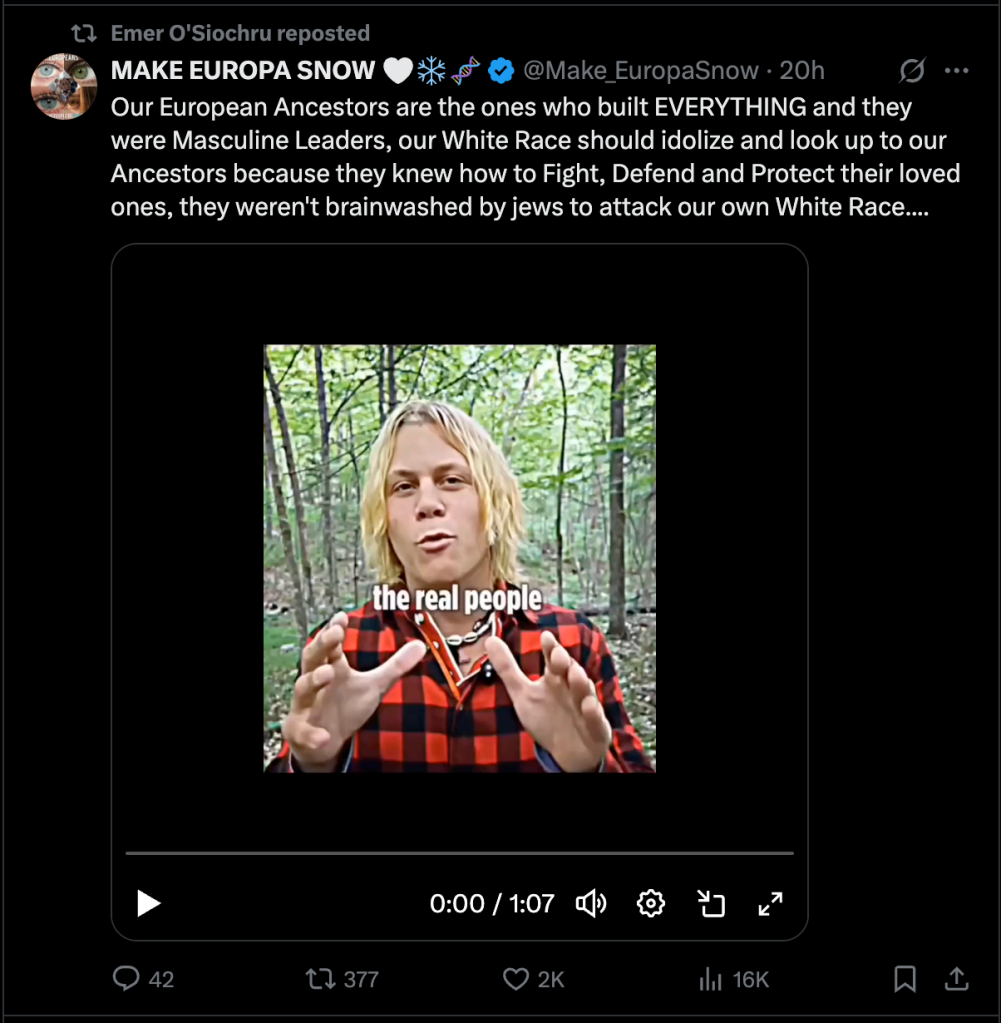
There’s no room for the motley here. The account that originally posted this: MAKE EUROPA SNOW 🤍❄️🧬 is avowedly racist and, as witnessed in this tweet alone, so straight-up Nazi that one hopes that its Russian maskirovka rather than the actual ideology of someone you breathe the same air as. I don’t want to read this shit anymore. They are free to say it and share it, but I don’t have to listen to it. Unfollowed.
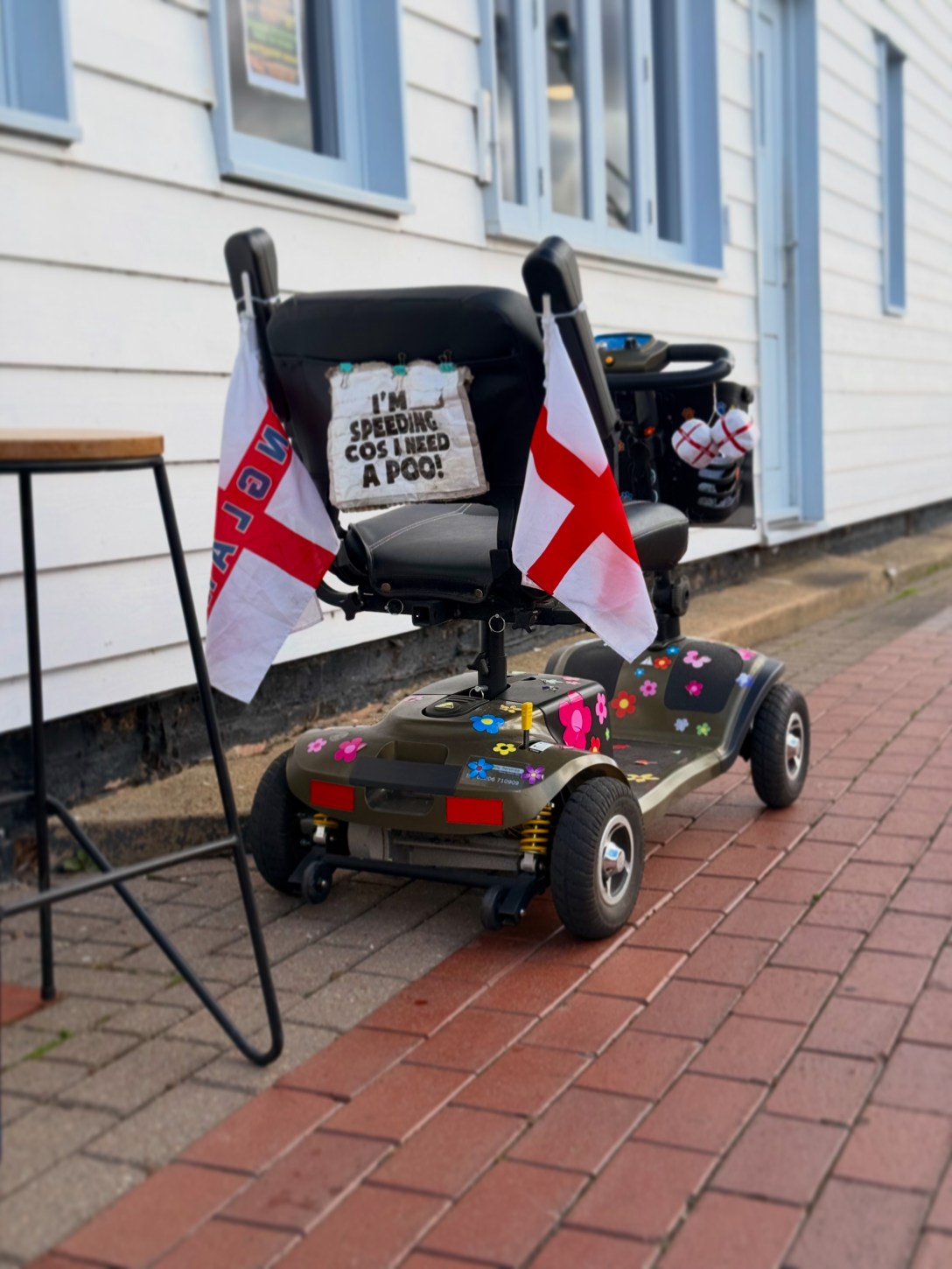
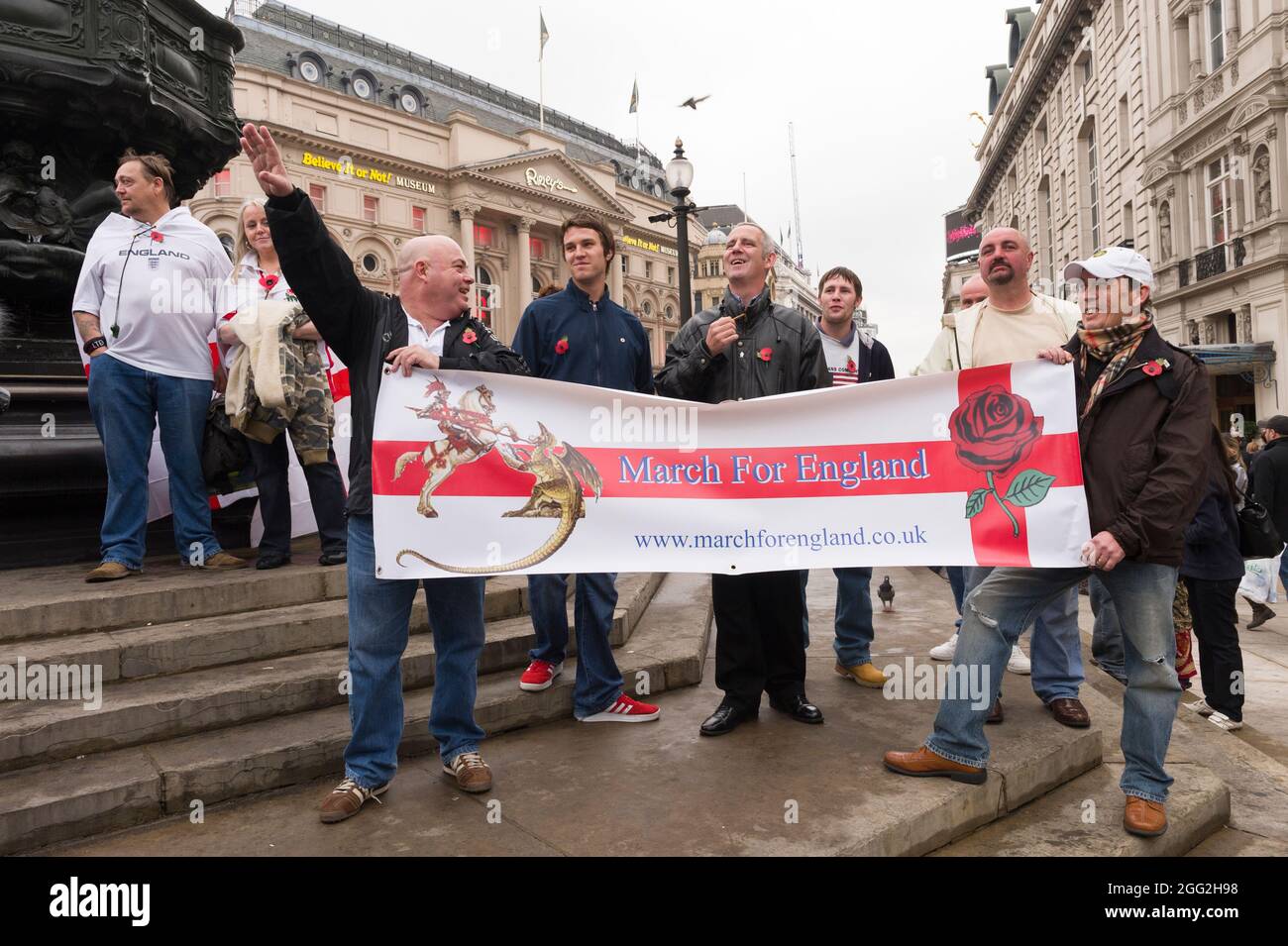
In Burnham, the Remembrance events provided cover for Temu patriots to put up some more cheap Chinese polyester on local lamp posts (White cable ties this time around). The earlier wave of flags are already looking pretty tatty and forlorn. Limp, half-mast, upside down, creased, fraying at the edges, weak at the joins. High quality infrastructure, aftercare and maintenance don’t seem to be on the nationalist agenda, it’s ‘broken Britain’ all the way down.
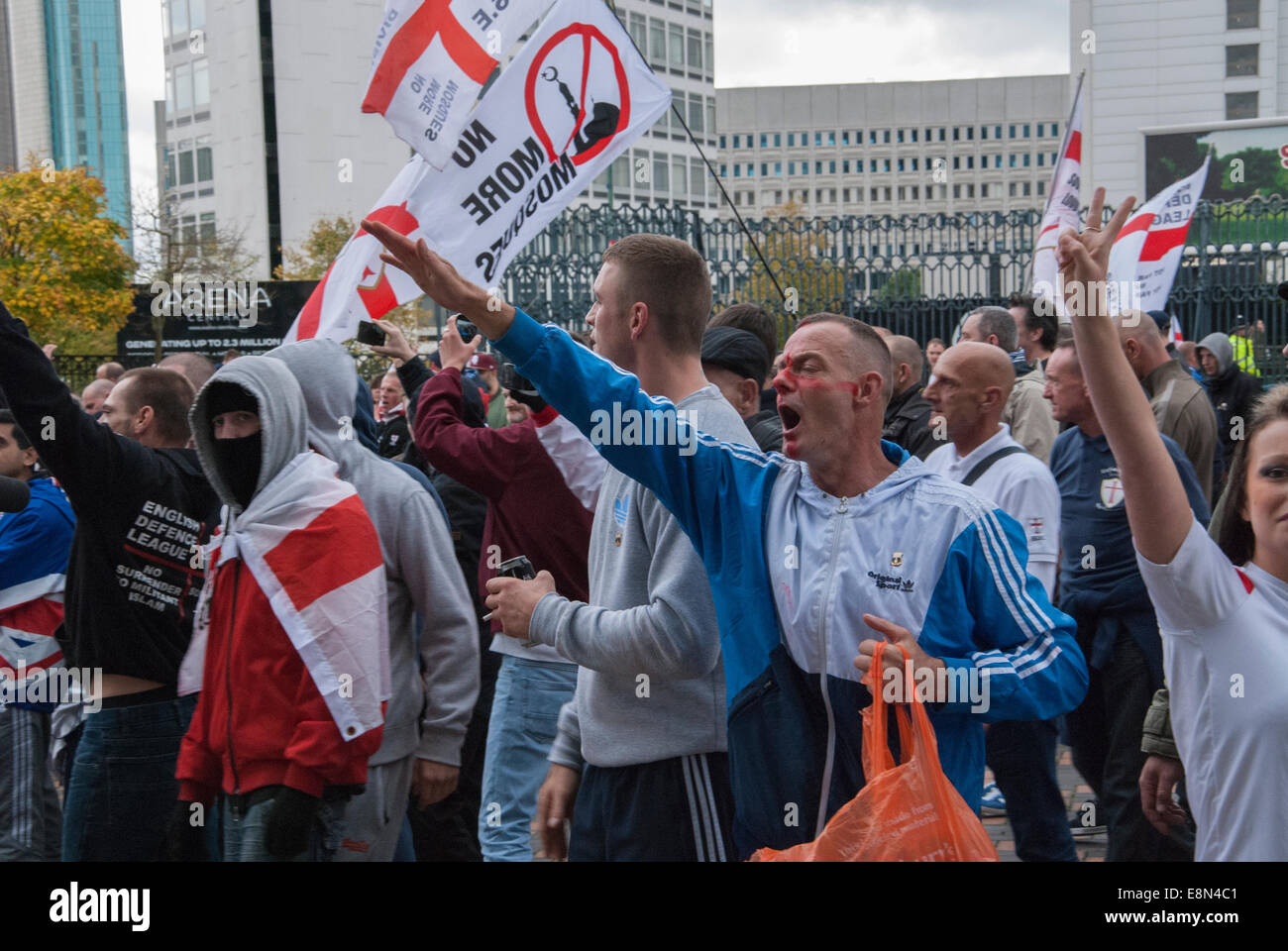
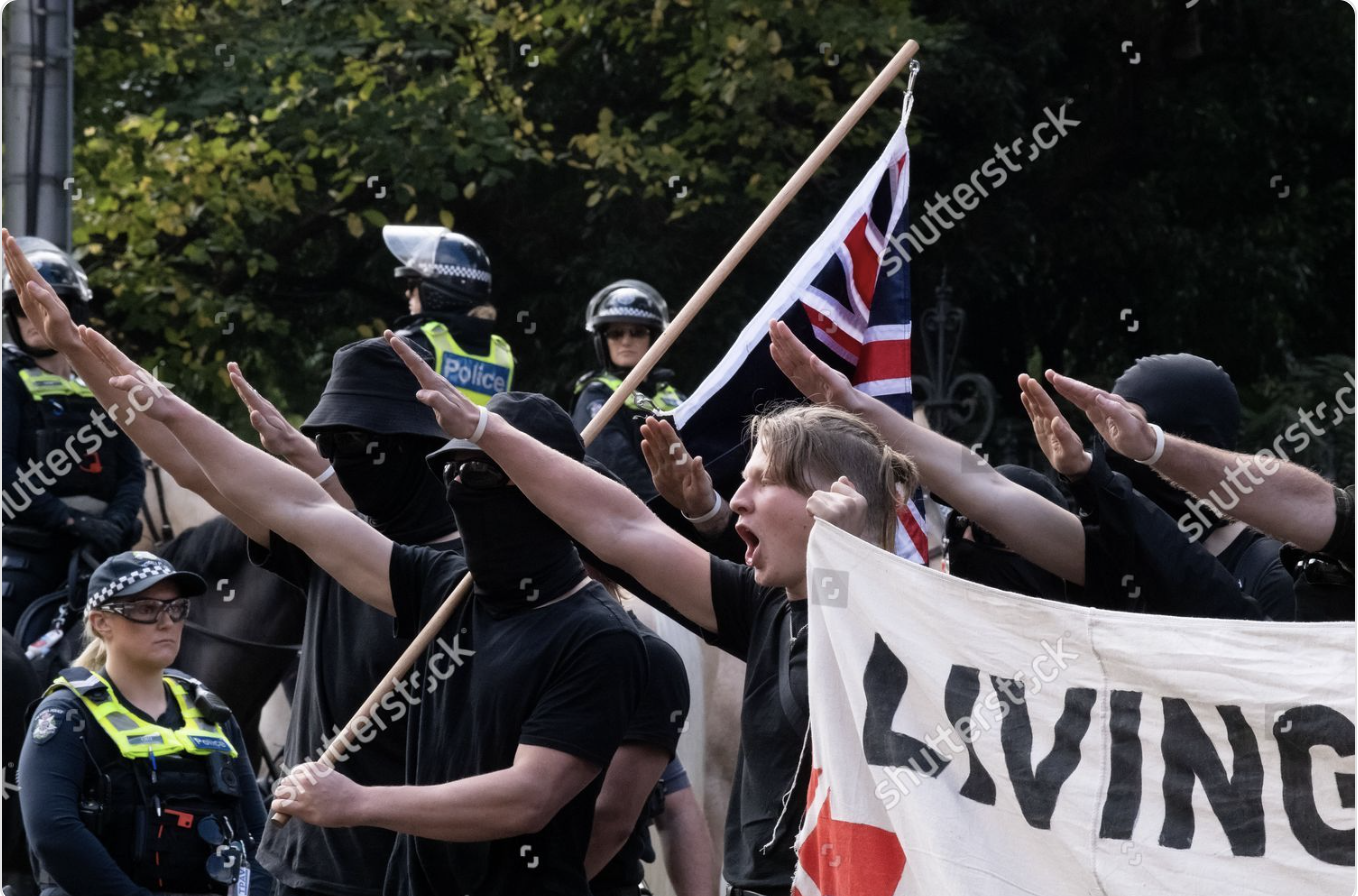
Online and on the streets, some people are stepping on a platform marked ‘concern about irregular migration’ and flying the Union Jack or the Bratach na hÉireann. When the platform slowly moves to ‘against all migration’ and ‘pride in our national flags’ most are happy to go with it. But this isn’t a “common sense” travelator dropping you off at the departure gate, it’s a far-right escalator and you don’t want to see what’s at the top.



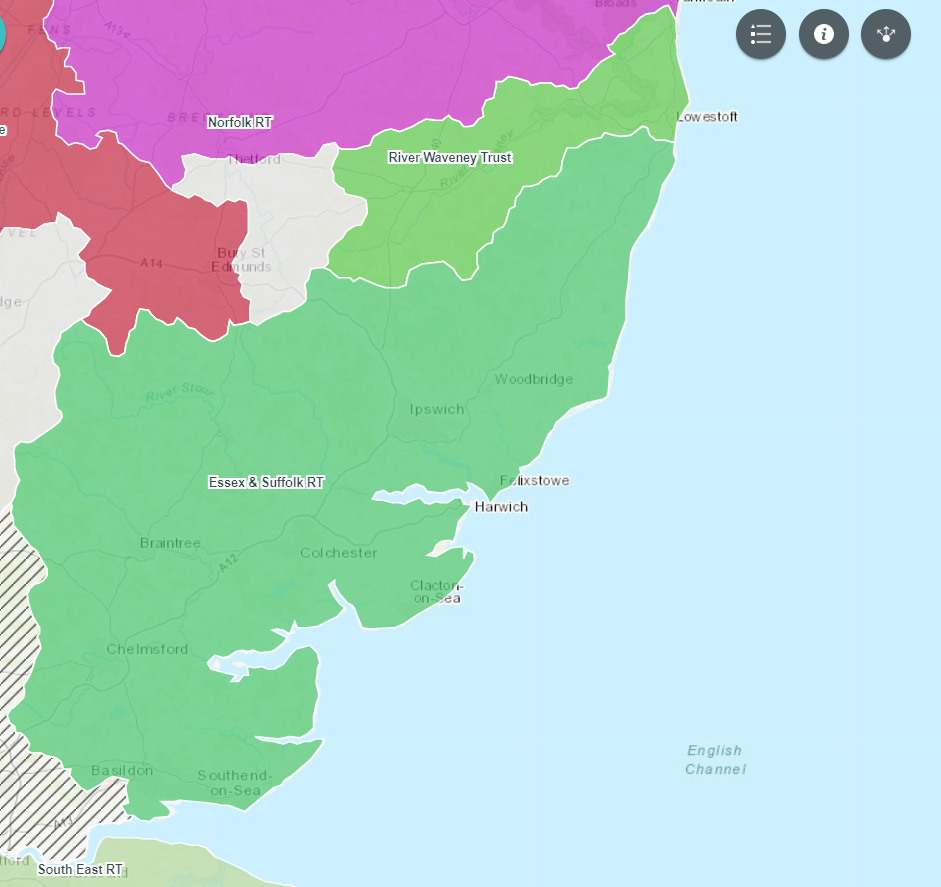
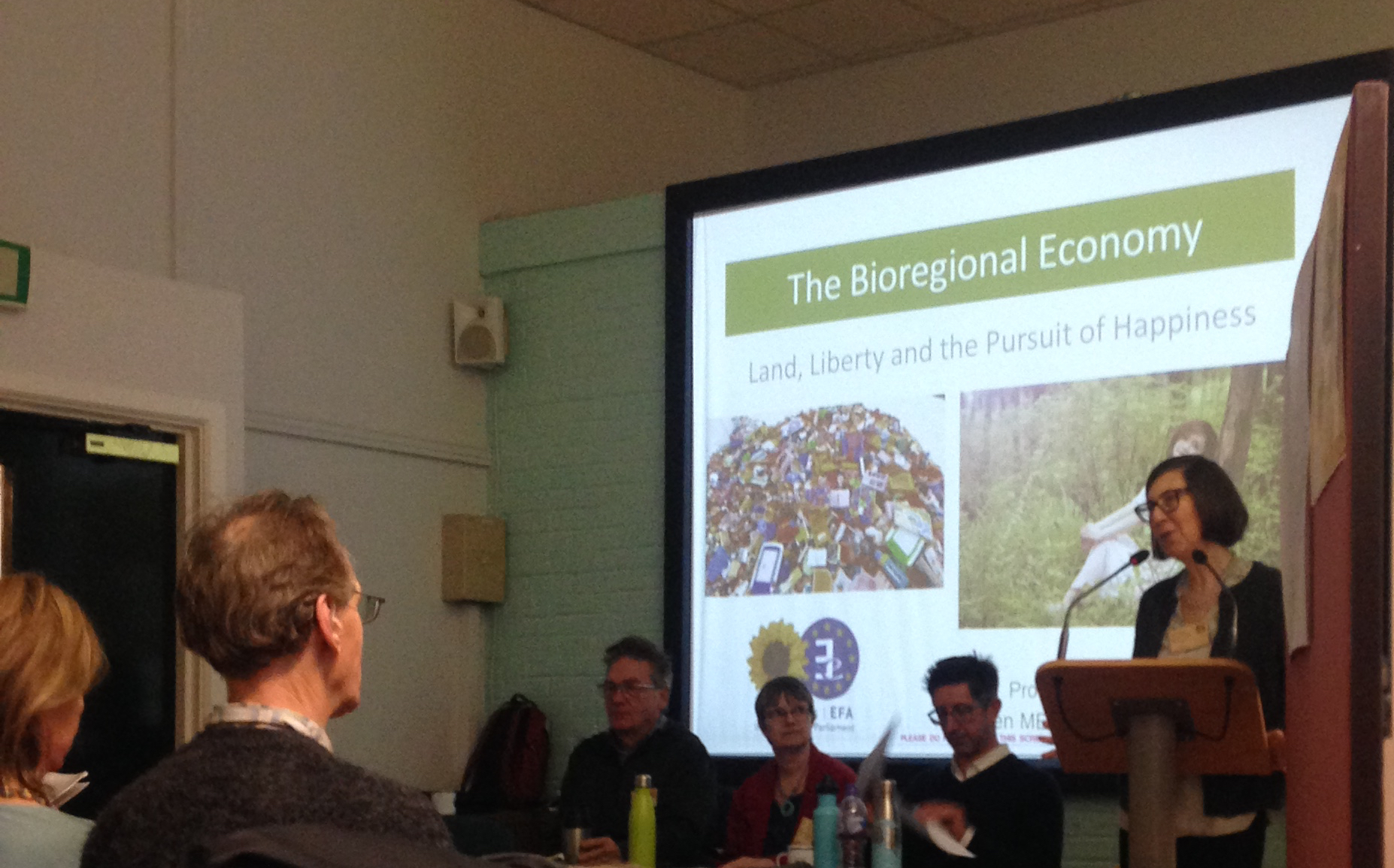
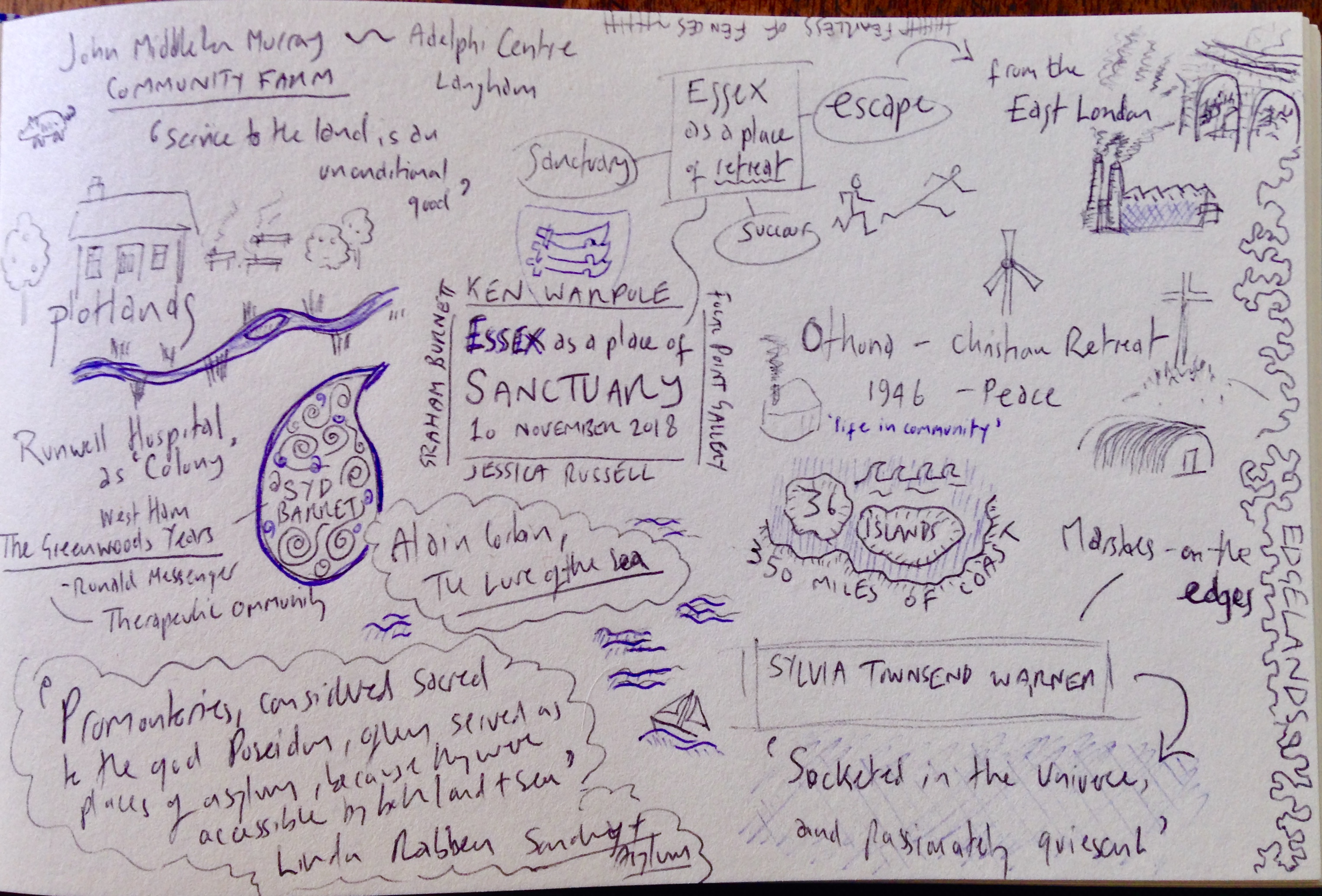
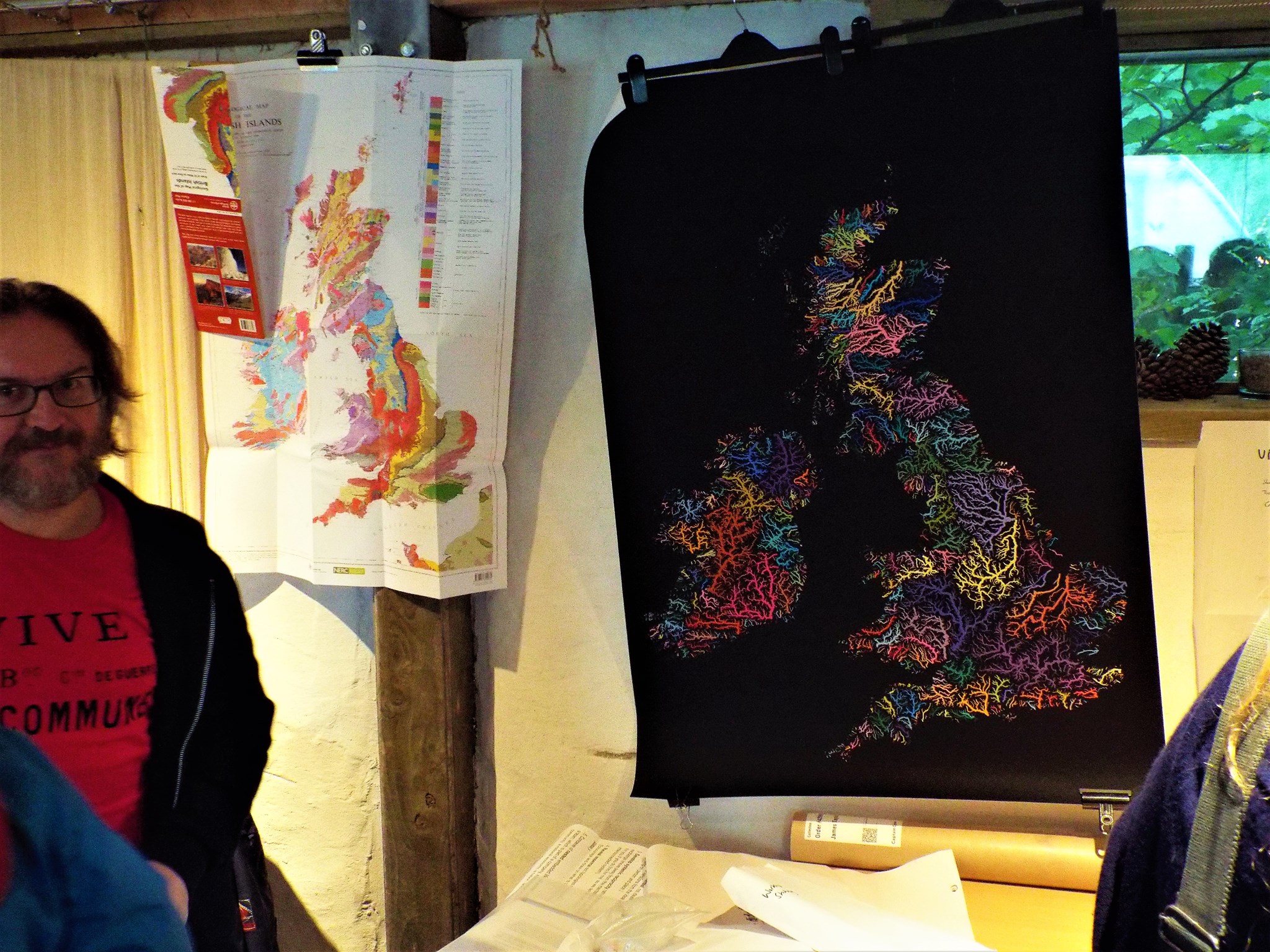
 Dengie Bioregion