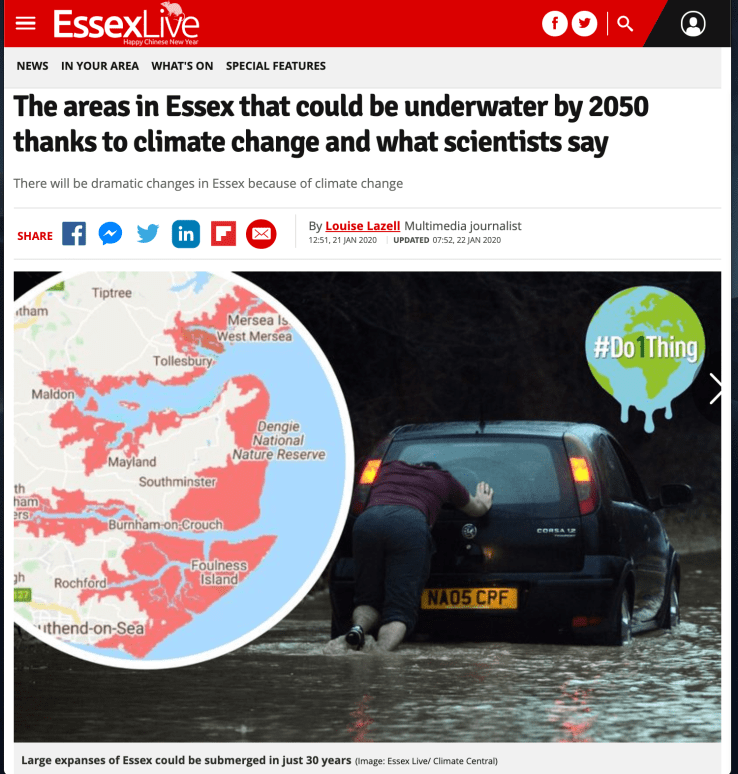
 This week Essex Live brought back the Climate Central Flood Map story that featured in the last post. This time around the story, and its associated maps, were accompanied by some welcome discussion of the implications and possible mitigation from Drs Natalie Hicks and Tom Cameron of the University of Essex’s School of Life Sciences. There was something of a disjunct between their commentary and the featured statements from the Environment Agency and Essex County Council. If local journalism wasn’t in such an under-resourced state that disjunct might have been creatively opened further in order to plot some better sense of the different visions of the future each presents. Continue reading “Back to the Strandline”
Author: James Piers Taylor
Vulnerable to Flooding
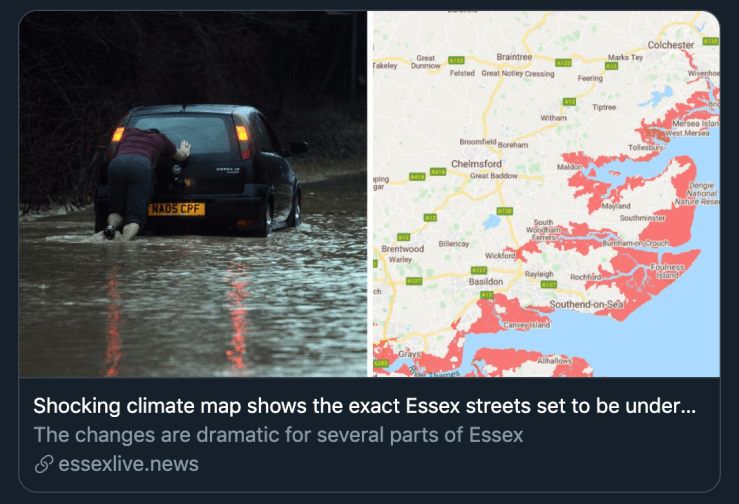
Lots of the local ecologically concerned folk are sharing this news story based on the
Climate Central flood map update using the CoastalDEM® v1.1 digital elevation model. I’m not immune to doing so myself. Combined with the recent devastating floods in the north of England these projections seem to offer a warning from the future that Continue reading “Vulnerable to Flooding”
The Hour is Getting Late
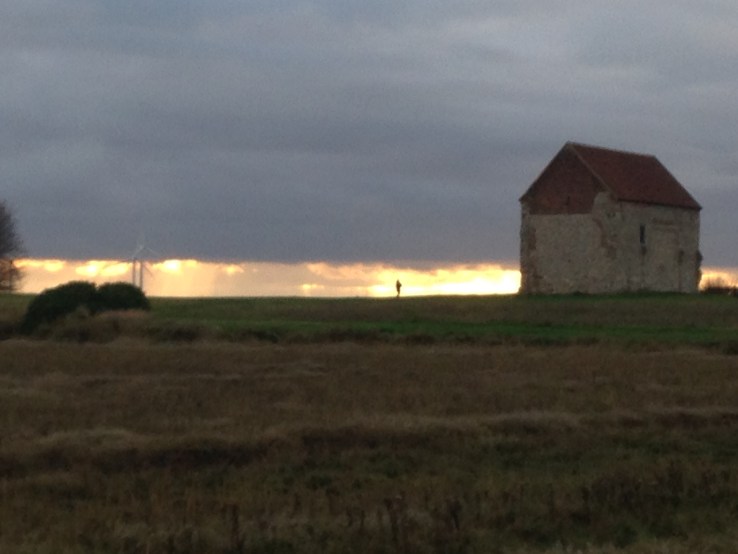
The time we have left to avoid climate disaster is getting short and the sun is setting on the opportunity to avoid catastrophe. Not that you would know it from the political inactivity around here. Continue reading “The Hour is Getting Late”
Defining bioregions in these islands III
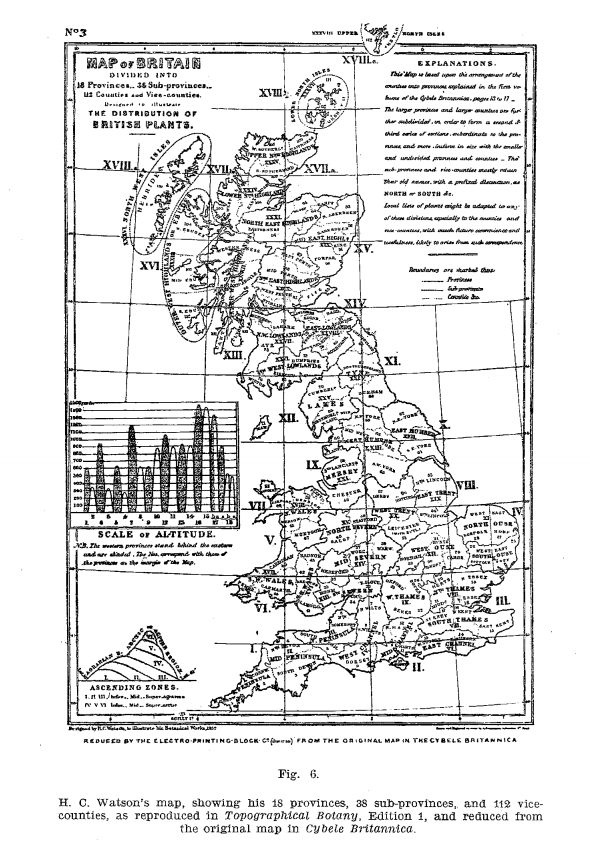
Ed Tyler has written an interesting response to the previous posts in this series (I, II) on his bioregioning site. He makes a number of interesting points that are worth reflecting on, but here I’ll limit myself to his reference to the Watsonian Vice County map.
I first came across the Watsonian Vice County map in the course of researching the Continue reading “Defining bioregions in these islands III”
Defining bioregions in these islands II

‘The necessity for scores of bioregional Johnny Appleseeds’
– Kirkpatrick Sale, ‘The Birth of Dartia’, Schumacher College journal #3, (Summer 1992)
It was good to see my last post on this topic receive attention on social media, it was shared widely and garnered some useful comments – this follows on from that and is best understood having read it beforehand. Shortly after publishing that post I saw Kirkpatrick Sale’s line about the ‘necessity for scores of bioregional Johnny Appleseeds’ and was heartened that perhaps we were seeing that flowering now, both with the Bioregional Learning Centre‘s Community of Practice and with a wider cohort of wild re-seeders – we still need Continue reading “Defining bioregions in these islands II”
Defining bioregions in these islands
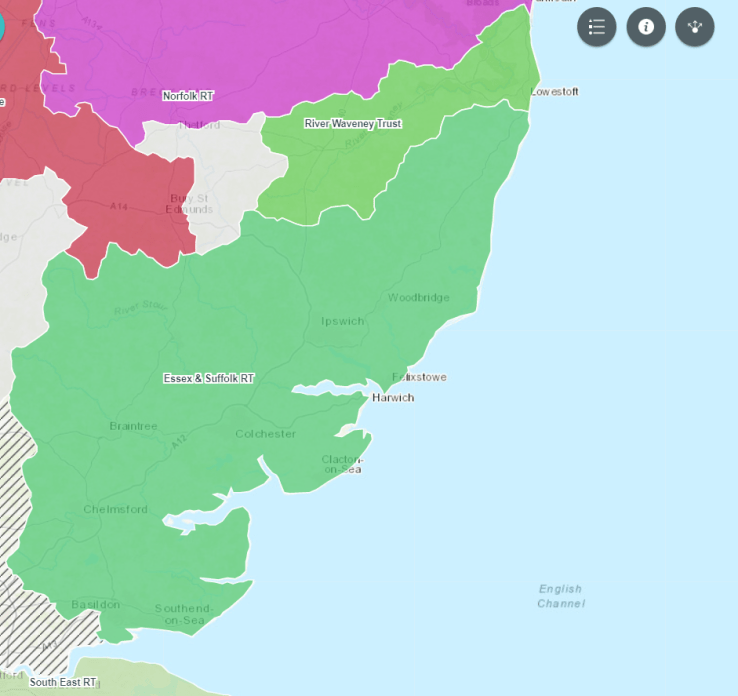
In a recent post, I mentioned how ‘I’m still struggling to articulate a suitable spatial scale for bioregional praxis in the Atlantic Archipelago’ and part of this struggle will be identifying particular bioregions within the Archipelago. Today I received a message from Kate Swatridge who had attended Ed Tyler and I’s session on bioregions at the UK Permaculture Convergence asking about this issue. She wrote: Continue reading “Defining bioregions in these islands”
Super Blood Wolf Moon

I had a dream last night: I was tasked with capturing a wild black beast that was inside a suburban home. I stood outside the porch of the house with a small dog – as it had been determined that the dog’s presence would calm the beast. I opened the porch door and Continue reading “Super Blood Wolf Moon”
Landscape Scale Land Management
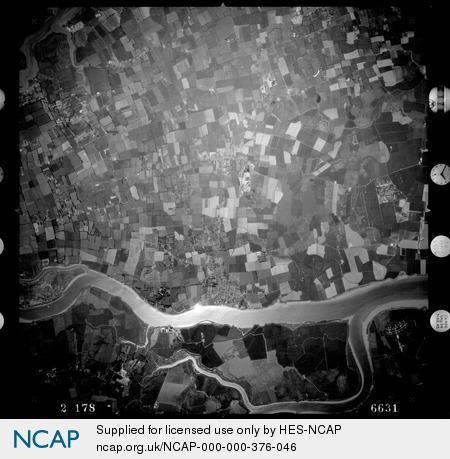
(Higher resolution images are available from NCAP)
At the Oxford Real Farming Conference I attended the session ‘Shaping our future together’ organised by CTRLShift and facilitated by Andy Goldring. Rather than a presentation from the front, this session was designed to create a space for collaboration and planning between organisations, practitioners and networks building on the process started in Wigan, March 2018 at the initial CTRLShift: An emergency summit for change event.
The session began with a brief introduction and then encouraged participants to introduce an area of focus they would like to discuss. Folk then clustered according to which area they found richest and most relevant to them at that time in order to discuss that topic through the lens of three questions: Continue reading “Landscape Scale Land Management”
High (Tide) and Dry
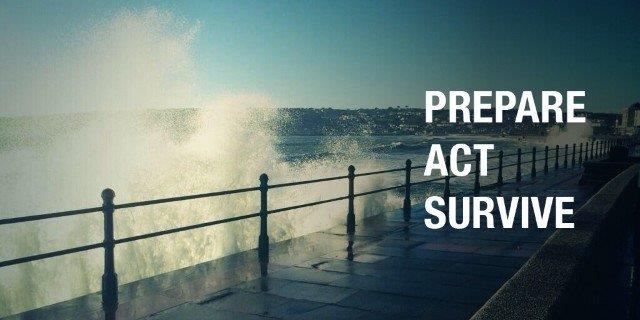
It’s now ten days since I wrote to my District Councillors (Peter Elliott and Ron Pratt) asking why Maldon District Council has no current Environment and Climate Change Strategy despite the Climate Emergency and I’m still waiting for a reply. I recognise that they may be busy, that it’s not a salaried role and their time may be stretched, so I think I’ll give them a month before I follow up with another letter seeking an update on progress. I’m also thinking about other ways I can raise this issue – ask the leader of the opposition on the council to raise it?, seek recognition at the town council level? Again, learning how local politics works is proving to be a case of just try stuff.
The urgency of the emergency was brought home last week with Continue reading “High (Tide) and Dry”
Bioregional Economy
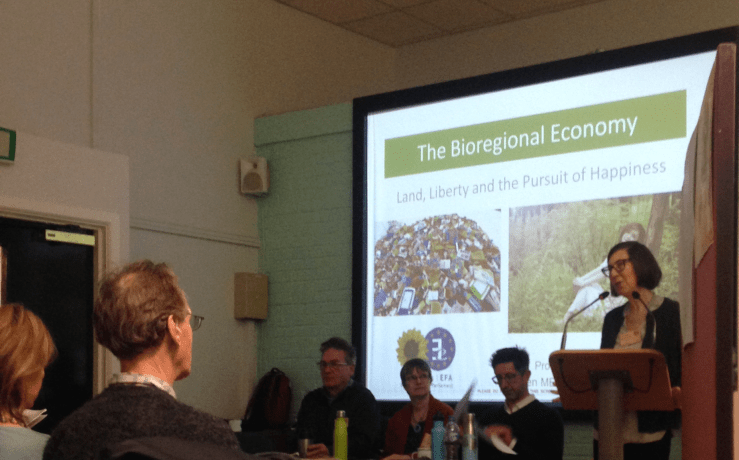
Yesterday I attended the Oxford Real Farming Conference, primarily to attend the session on bioregions which featured a panel chaired by Isabel Carlisle of the Bioregional Learning Centre and included Green Party MEP Molly Scott Cato, the writer John Thackara, and my friend Andy Goldring – the Permaculture Association CEO. I’ll try and capture more of what I learned in a subsequent post, but hearing Molly Scott Cato speak reminded me that I had reviewed her book The Bioregional Economy; Land, liberty and the pursuit of happiness for Permaculture Magazine back in October 2014, but that they never ended up publishing it.
Here’s that review: Continue reading “Bioregional Economy”
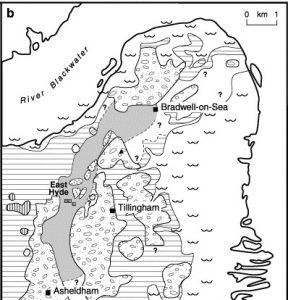
 Dengie Bioregion