Here’s a piece I submitted to the upcoming Long Now London newsletter on the ‘planetary’
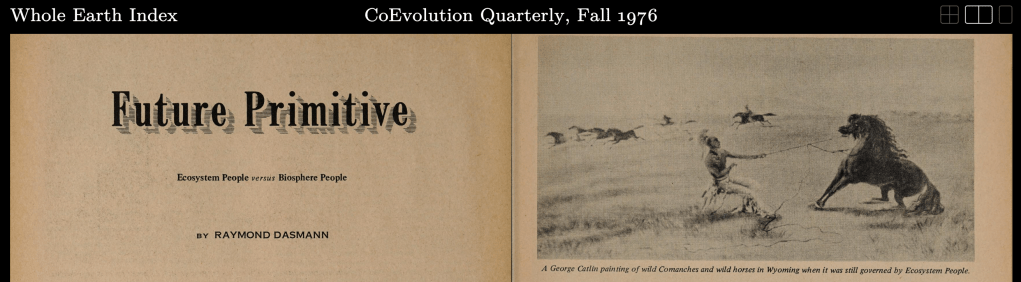
‘Think Globally: Act Locally ‘has been a familiar refrain of the Green movement for decades now. It poses the problematique at the planetary level but advocates for action at a smaller ‘here’. The scale of this here is never entirely clear but the bioregionalist Raymond Dassman confronting the ecological crisis in the 1970s made a distinction between “biosphere people,” who exploit resources from the entire planet and “ecosystem people,” who can achieve a high-quality of life within their local bioregions. The bioregionalists encouraged us to provision ourselves primarily from our local watershed and to reinhabit this more discrete bio-geo-ecological unit as other species do. “The world”, poet Gary Snyder wrote is “places.”
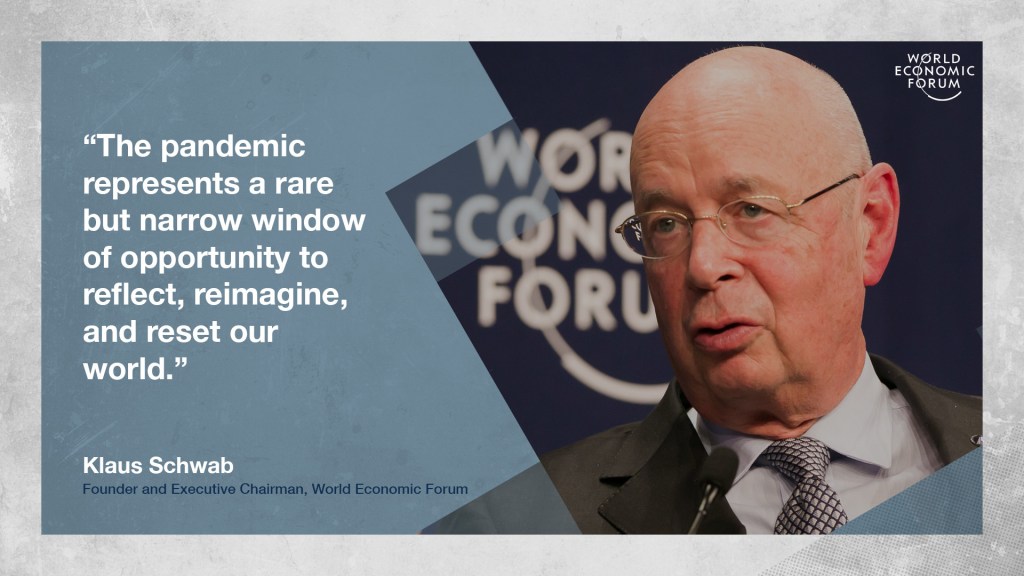
In the half a century since, planetary data collection has presented increasingly worse information largely following the modelling of 1972’s Limits to Growth report. The private ownership of capital and the price signal have done nothing to abate these trends. The capitalist system has ill-served a more-than-human world and clearly lost the mandate of heaven.
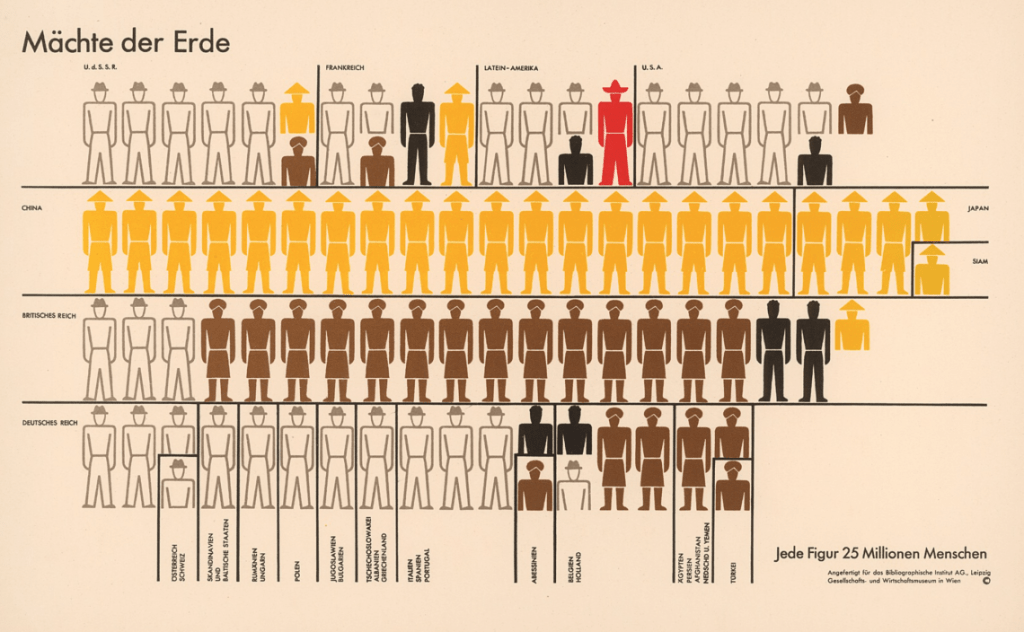
Central planning is back on the agenda – now at a planetary scale with missions to mitigate climate change, pollution, biodiversity crash, water depletion and the peaking of finite resources.
I find the political scenarios of Geoff Mann and Joel Wainwright’s Climate Leviathan: A Political Theory of Our Planetary Future (2018) instructive here.
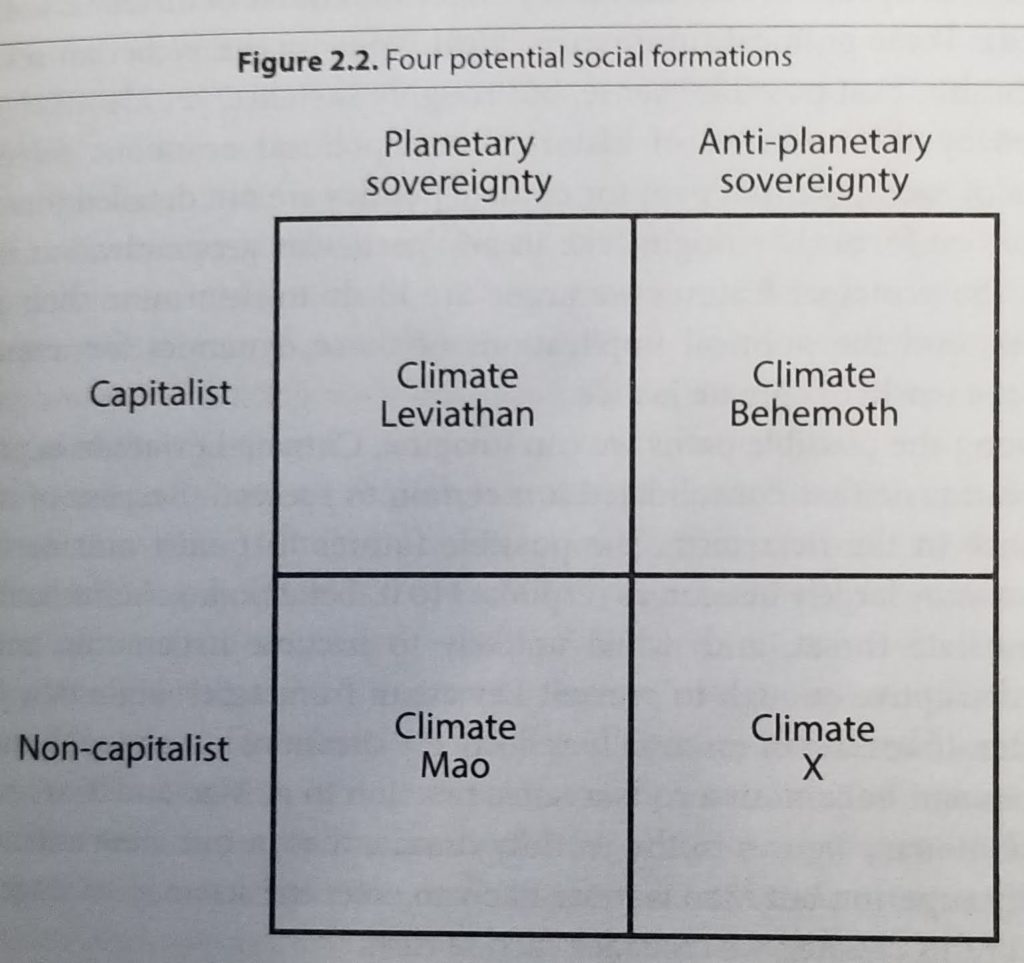
Currently, an enfeebled liberal technocratic centre attempts some limited global planning in the service of planetary stewardship with their COPs and the IPCC. In the nations, a Mandarin class tries to turn these into pledges, commitments, policies and sometimes actions. This is the Climate Leviathan.
But there is resistance on the political right from both a populist, ‘sovrunty’ Climate Behemoth that resists internationalism and denies anthropogenic climate change, and from a globalised neoliberal behemoth that resists political intervention in markets and property rights.


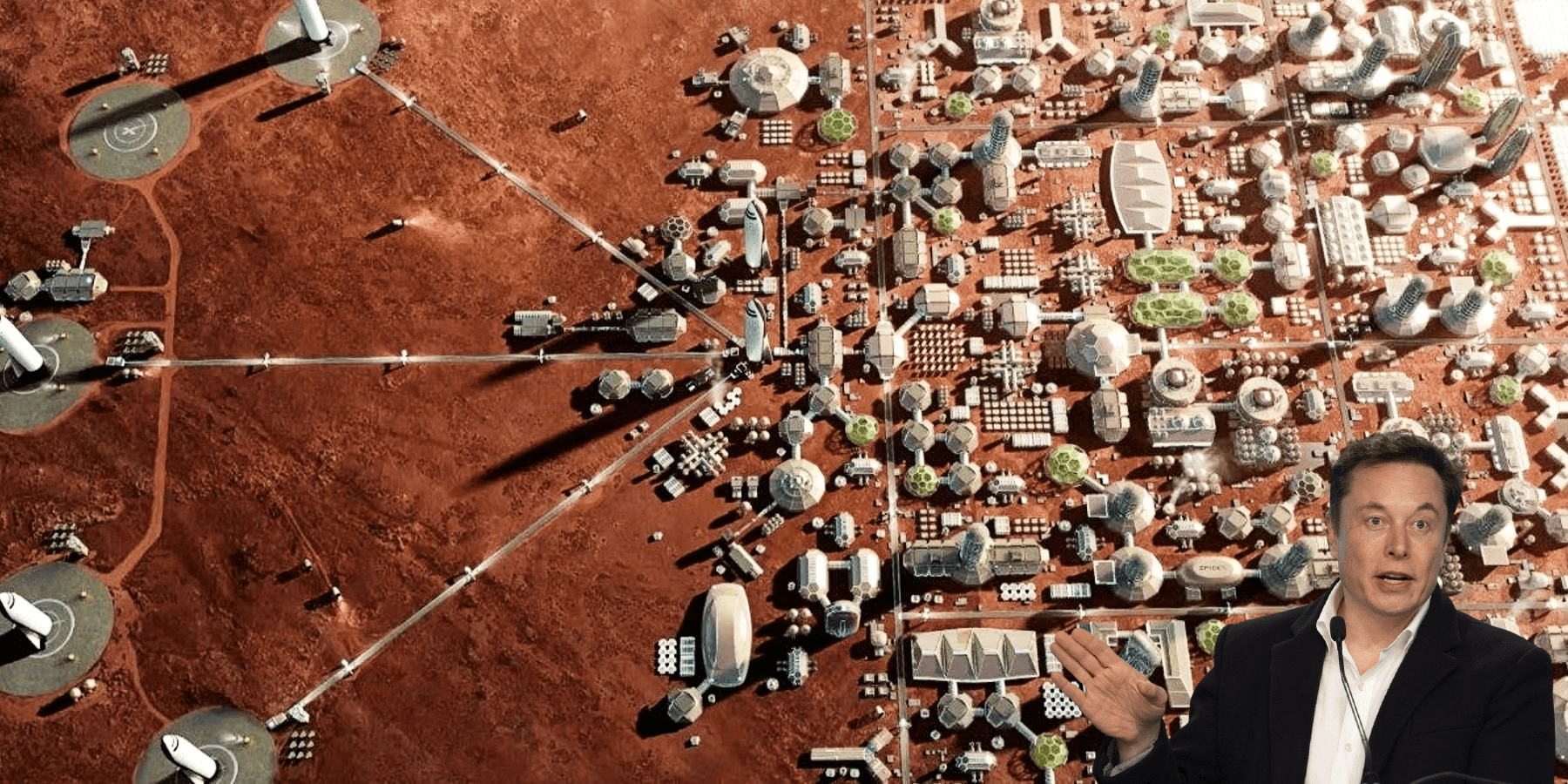
There is also a Behemoth techno-feudal right who wield planning and are anti-market (Peter Thiel’s Zero to One, Bezo’s ‘everything store’, the Big Tech oligarchies, Big Oil, the 10 companies that control almost every large food and beverage brand). These generate profits at a planetary scale but dodge planetary stewardship – instead indulging in escape fantasies from New Zealand to the planet Mars, or becoming the biggest private owner of farmland in the United States. La noblesse oblige has been replaced by sociopathy.


There is a planning crowd on the political left who would seize the reins from the liberal technocratic centre and replace it with a cybernetic Gosplan – Otto Neurath via Stafford Beer’s Cybersyn and The People’s Republic of Walmart – for a whole Earth socialism. There’s a hint of this too in Mann and Wainwright’s Climate Mao scenario and Andreas Malm’s ‘Ecological Leninism’.

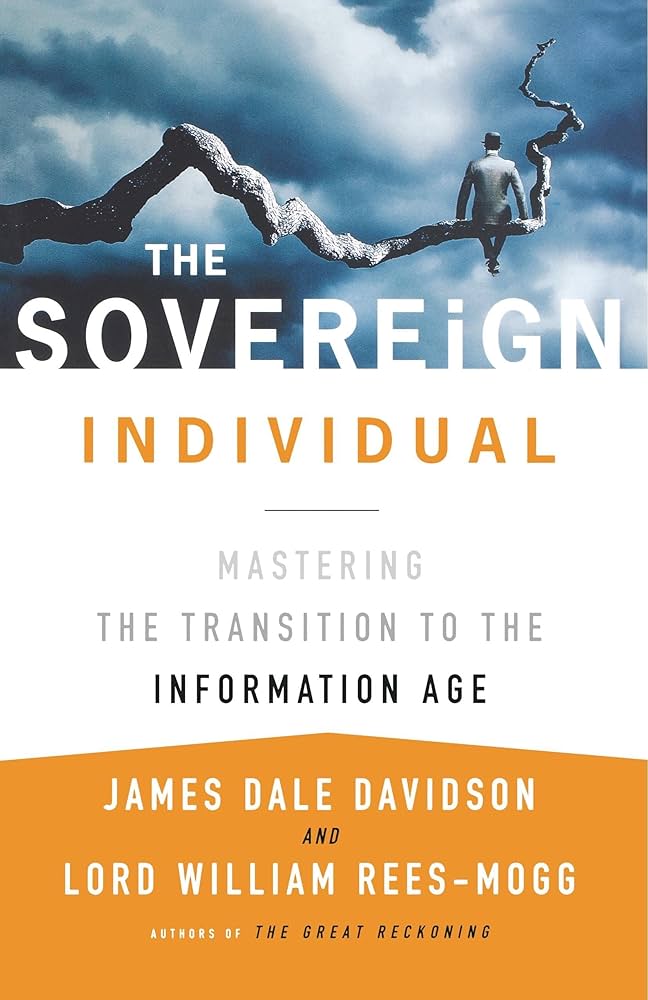
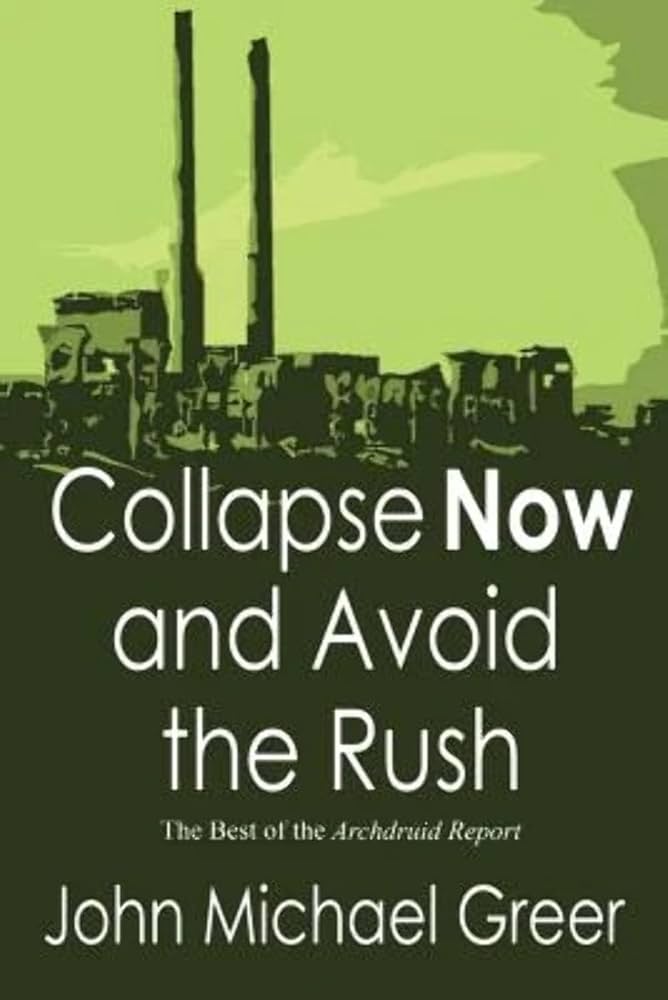
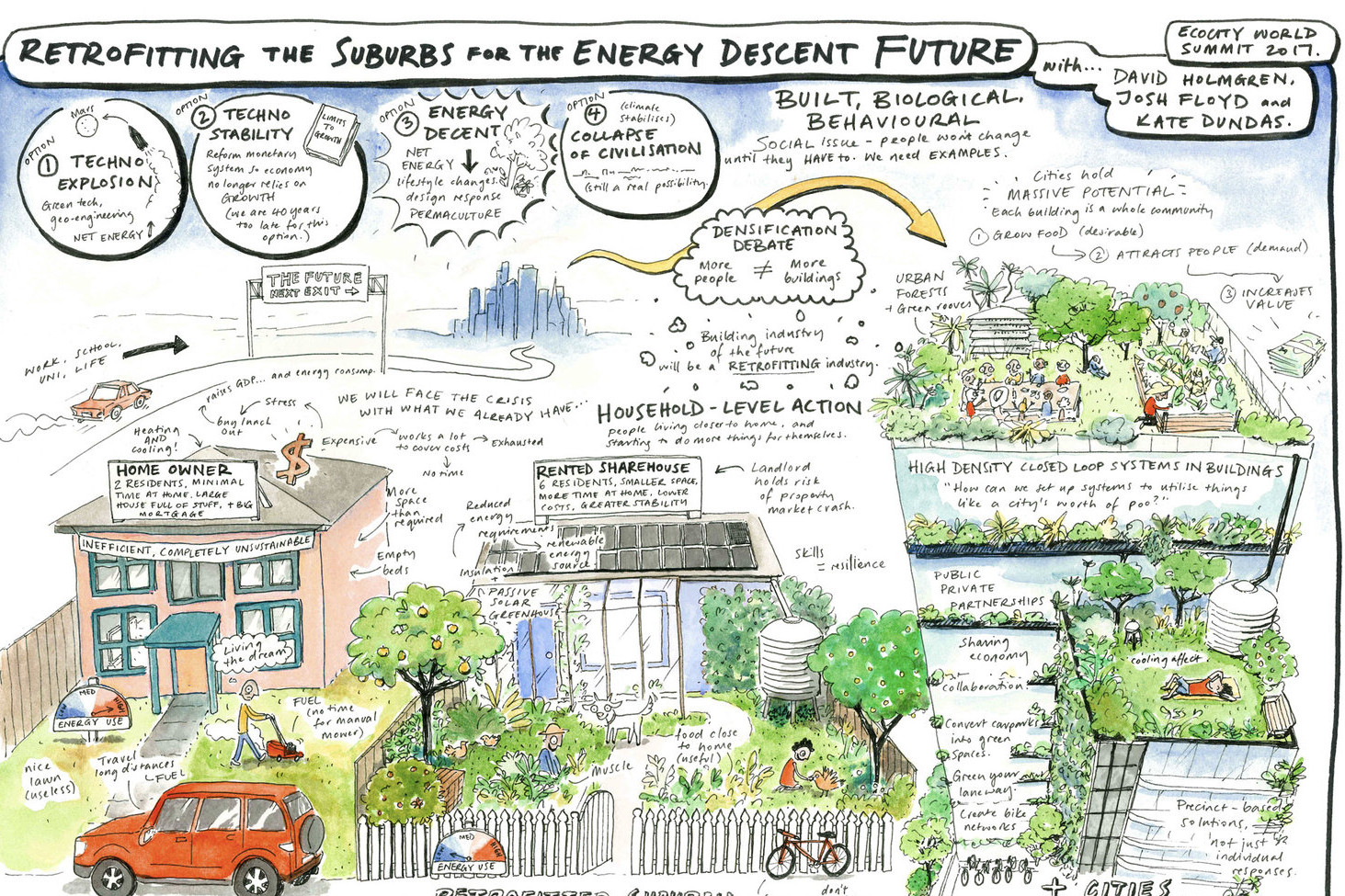
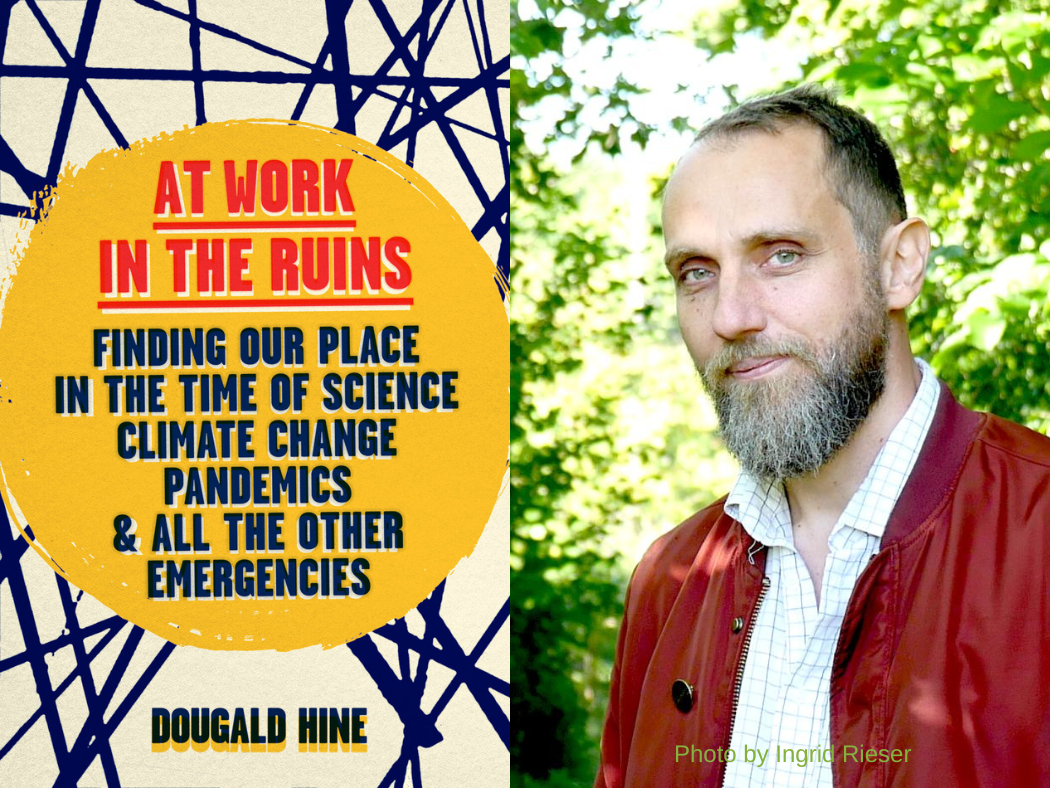
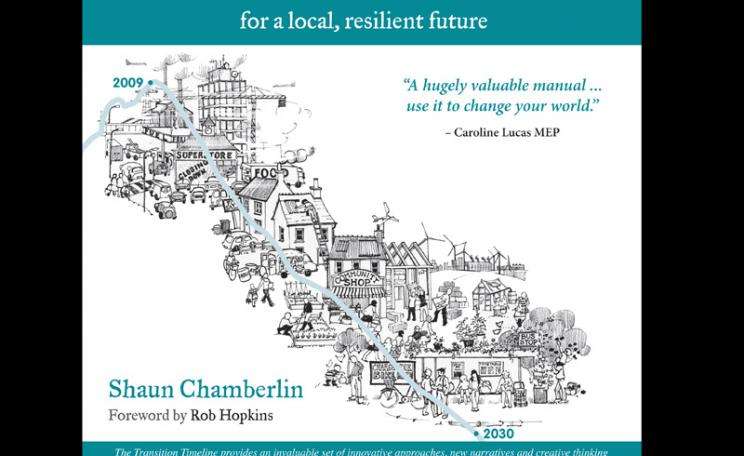
There is also an anarchist left that fears the statism of Climate Mao and/or has doubts either of its efficacy this late in the day or the likelihood of success for any political movement with such a programme. That grouping is focused on localised adaptation rather than global mitigation – from the anarcho-primitivists preppers who would ‘return to monke’, through the ‘collapse on demand’ and community-focused retrosuburbia of permaculturalist David Holmgren, transition towns, the ‘collapse early and avoid the rush’ peakniks, to the salvagepatch and the life in the ruins of Dougald Hine. They all reject the planetary as a field of action, perhaps even of thinking, and hold fast to the local, the decentralised, to the voluntarily simple, to the beautifully small. As Wendell Berry puts it: “In order to make ecological good sense for the planet, you must make ecological good sense locally. You can’t act locally by thinking globally. If you want to keep your local acts from destroying the globe, you must think locally.”

They don’t, however, seem to manifest Mann and Wainwright’s last scenario – Climate X, a name they ‘give the collection of movements that pursue global climate justice: movements that build non-capitalist political economies, and construct solidarities at multiple scales that reject the political logic of sovereignty.’ Is there potential here for something with efficacy beyond the folk politics of Act Local? Holarchies that nest all the way up to the planetary? It remains to be seen.

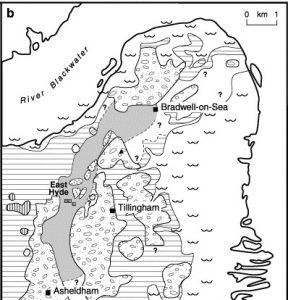
 Dengie Bioregion
[…] I submitted a short piece on the ‘planetary’ to the Long Now London newsletter – and posted an illustrated hyperlinked version here. […]
LikeLike