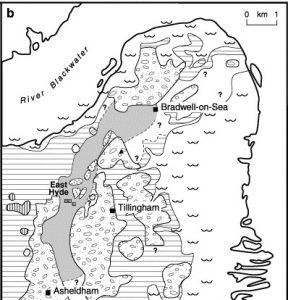
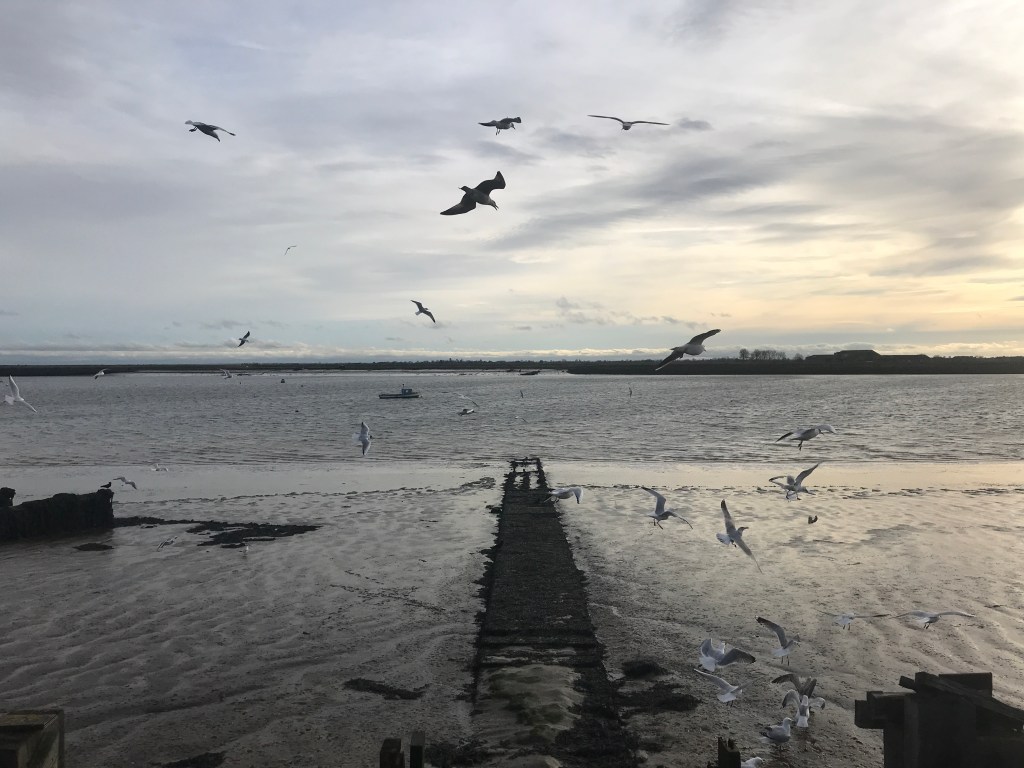
It’s seven years since we moved to Burnham-on-Crouch now, enough that we’re both more settled than either of us had been for many years before. We know the place and we know people, we’re wiser to the stories and characters of a five-mile radius. One or both of us have become involved in groups here, most often Claire leading the way: archaeological digs, the Burnham Art Trail, Covid mutual aid, the Dengie Hundred Bus Users Group, Maldon Greens, the Maldon & Heybridge Transport User Group.
I’ve worked entirely from home since the first Covid wave. Ten days before the first lockdown, I made a unilateral decision to shelter in place. Remote working was swiftly followed by furlough, followed by a wait-and-see WFH that finally settled into a new organisational protocol of ‘work where you can, when you can’. While the contractural location of my role remains an office building in central London, the role has been performed from our house for coming up on 4 years. I miss some of the company and being in town; but I don’t miss the £6.5k pa season ticket (soon to rise by 4.9%) and the daily 4-hour round trip to a hot-desk lottery, only to finally log on to a database… in the Netherlands. Whole floors of that office building have been rented out to tenant organisations now, I’m not returning.
Looking back now, I guess that killing the commute allowed for a different transformation: one that allowed me to make myself at home. It wasn’t until last summer that I actually felt the turn to a new kind of engagement with this place. In August, the news broke that Burnham’s NHS surgery planned to move from its central location to a peripheral one, outside the settlement boundary and into the inaccessible, under-construction and controversial retirement Village named ‘Burnham Waters’. Claire and I saw a notice of an informal meeting of folk opposed to such a move and went along. Ever since, we’ve been part of the Burnham SOS (Save Our Surgery) group.
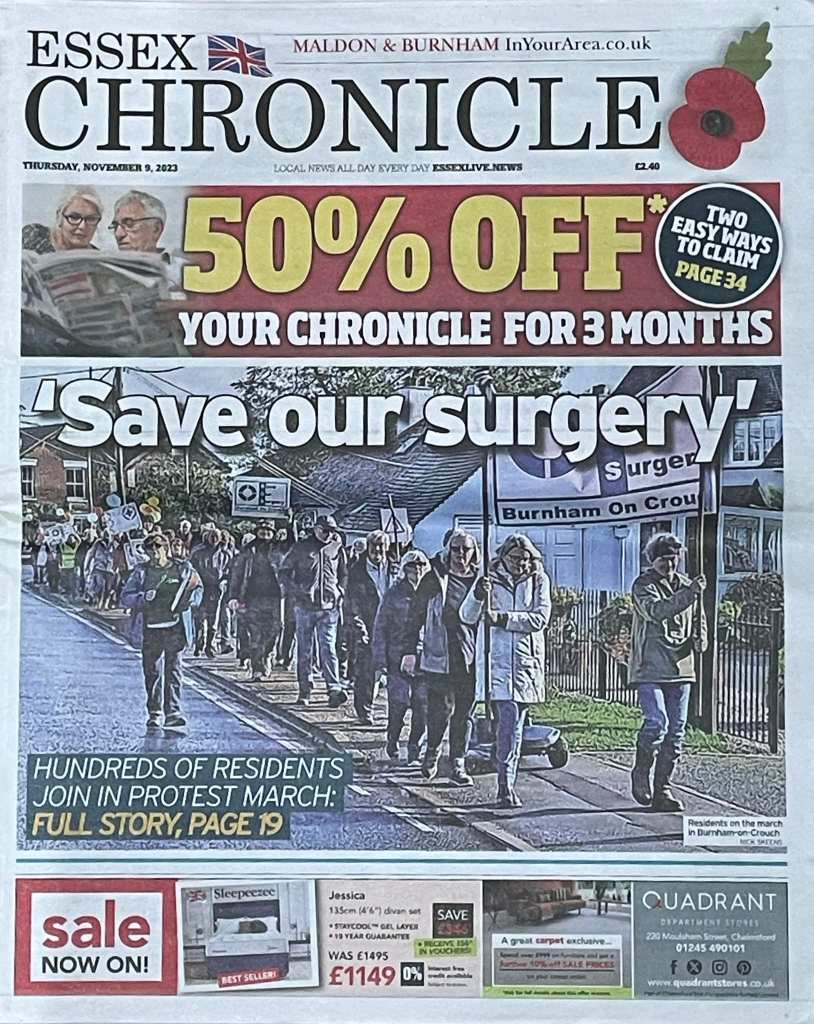
The proposed move is broadly disliked by the population of the town who have swelled the halls of town meetings, marched on the busy roads between the town centre and the Burnham waters construction site, signed petitions, completed surveys, sung carols at the surgery door and more. Maintaining the momentum has been a group of committed individuals, mainly women, who have dedicated time and attention to hiring halls, designing leaflets and badges and banners, liaising with police, collecting signatures, writing songs, gathering and sharing information, meeting with Healthwatch and the Integrated Care Board, posting on social media, supporting each other, and more.
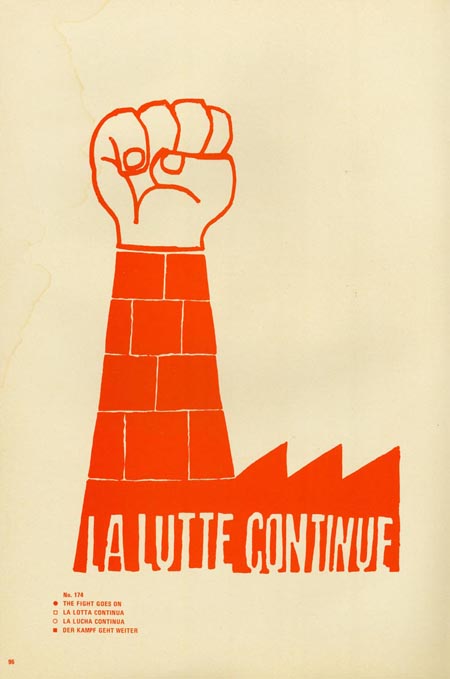
A resigned, complacent and acquiescent minority of locals insist that resistance is futile and that it’s all a ‘done deal’, but recently we received strong evidence that the move won’t happen. Nevertheless, it ain’t over ’til it’s over, la lutte continue, and our next public meeting is on 1st March in Carnival Hall at 7pm.
Around the same time as this began, I heard the first noises that Maldon District Council (MDC) were keen to see community climate action partnerships formed in the area. I was somewhat sceptical. Like MDC’s previously announced ‘climate friends’ scheme this sounded to me like what a local authority does when it’s declared a climate emergency but doesn’t have a budget to do anything about it. Nevertheless, when the formation of a ‘Dengie Climate Action Partnership’ (DCAP) was proposed – I recognised that this was an opportunity to ‘Think Globally, Act Locally’ here in a way that had previously seemed elusive. The fact that the Dengie was the territorial unit sealed the deal. Claire and I went to a meeting of the nearby Heybridge & Maldon Climate Action Partnership (HMCAP) who were a few months ahead of DCAP
The first meeting DCAP meeting in October was a well-attended, invited-speaker affair. The second meeting in November still managed around 20 folk from across the Dengie – not bad given the dire transport links across the rural area. I found myself scouting for allies, those with sensibilities closer to my own, trying to find the others. Who would come, what would they think, what would they want to do?
(I think that it’s fair to say that this is currently both a conservative and a Conservative part of the country. The incumbent Tory MP got 72% of the votes in 2019, UKIP came second in 2015, popular national figures are Liz Truss, Nigel Farage, Richard Price and Tommy Robinson, Reform UK has already named their candidate for the next general election. The favoured national news sources – Express, Mail, Telegraph, GBeebies and the like are the land of anti Net-zero rhetoric. A freeport of the imagination where the evils of the world are daily revealed as heat pumps, low-traffic neighbourhoods, low-emission zones, wind turbines on fire, exploding electric buses. It’s a bonded warehouse of the mind where “They” are coming for your gas boiler, SUV, patio heater, peat compost, Roundup, foreign holiday.)
All that created a certain wariness in me, but I also knew that if we are going to turn this ship around we have got to work outside our natural affinities. I also thought about Harrison Owen’s Open Space Technology principle: ‘Whoever comes are the right people‘. DCAP has been slow to get going. There’s not a pre-existing ground of eco-social groups to build upon. 12 or so years ago, sometime tried to form a Transition group in Maldon town but it didn’t take off. There’s no Incredible Edible movement, no Cittaslow proposals, no Neighbourhood Doughnut Portraits – not yet anyway.
At the second meeting, a document was shared about a proposal for a Maldon Community Energy Group and an event in December about that. I made the dark bus journey to that event where I met the organisers from Maldon District Council and Community Energy South, I signed up as a founder member of this inchoate Maldon Community Energy Group.
There was no December DCAP meeting and I realised that it might benefit from some more focus in January. Claire, Jo Coombes and I put together a loose proposal for a Biodiverse Dengie project. At the January meeting we made our case. Councillor Diane Carter, who has been hosting the DCAP meets, proposed her litter-picking activity as a project, while absent members sent in a proposal for a ‘marine’ project focused on the River Crouch.
In the last few weeks, I’ve found myself at in-person meetings of the Burnham Save Our Surgery campaign, the Dengie Hundred Bus Users Group, the Maldon Greens, the Maldon & Heybridge Transport User Group, the Dengie Climate Action Partnership, the Heybridge & Maldon Climate Action Partnership, the Maldon Community Energy Group, Community Energy Essex. Three of those have fairly active WhatsApp groups, others have regular emails and/or social media groups. In service of these groups I’ve also been attending Zoom calls, WhatsApp video chats, Teams meets and webinars. This week alone I’ve received three follow-up emails with slide decks, session recordings, hundreds of linked resources – community carbon calculators, energy champion trainings, leaky homes roadshows. It’s hard to keep up with whether this one was from Community Energy South or the Centre for Sustainable Energy. I’ve got webpages open from The Great Collaboration, the Great Big Green Week, the Sustainable Traditional Buildings Alliance, various renewable energy groups from across the country
Lately, I’ve often pondered the words attributed to Oscar Wilde that the ‘trouble with socialism is that it takes up too many evenings’. I’ve also returned to a critique I had of Dougald Hine’s book At Work in the Ruins and his talks promoting it – that, to paraphrase Thatcher, the problem with volunteerism is that sooner or later you run out of other people’s time. The same faces appear in lots of these groups I’m involved with, all of them giving up their weekends and evenings.
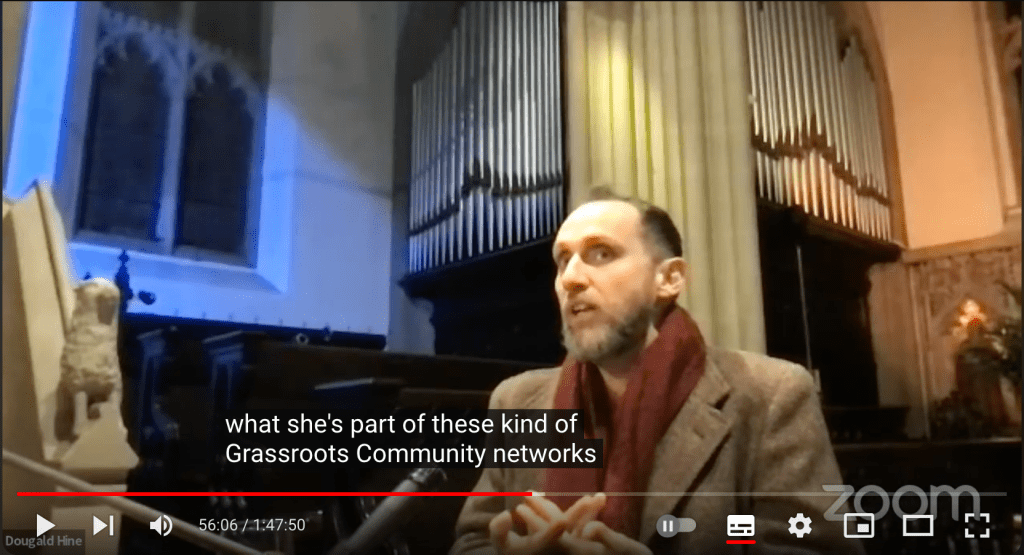
In the nearby town where I grew up my 76 year-old Dad is a volunteer driver taking ‘old people’ to their edge-of-town GP, our distant remaining NHS hospital, or to various private clinics to which NHS patients are now routinely dispatched. That driving service is managed by other retired people of his generation. That’s what I think about when I hear Hine talking about his retired aunt helping set up food banks and warm spaces and offering service in the cracks of a crumbling social democracy. When he extrapolates from his Aunt’s experience to suggest that ‘grassroots community networks are going to be all that makes the difference and what makes it possible for us to do the work among the ruins’ – I sense a lacuna. His aunt, my Dad, the patient transport administrators – are retired boomers who spent their lives in the social democratic society that he reads the funeral rites to. Their healthy pensioned retirements with free time to volunteer and do good works are its last surplus not a model of a future beyond it. The ‘old age support ratio‘ is not just the number of working-age people to every pensioner, but also the number of healthy people with spare capacity to every capacity need. What happens when all the retired people who drive people to hospital need to be driven to hospital themselves?
In the groups I’m involved with there are some retired people but there are also a lot of working people, many with families for whom the time allocated to our collective concerns is defined by pretty clear limits. Sooner or later you run out of other people’s time, the trouble with too-late capitalism is it takes up too many evenings.

 Dengie Bioregion