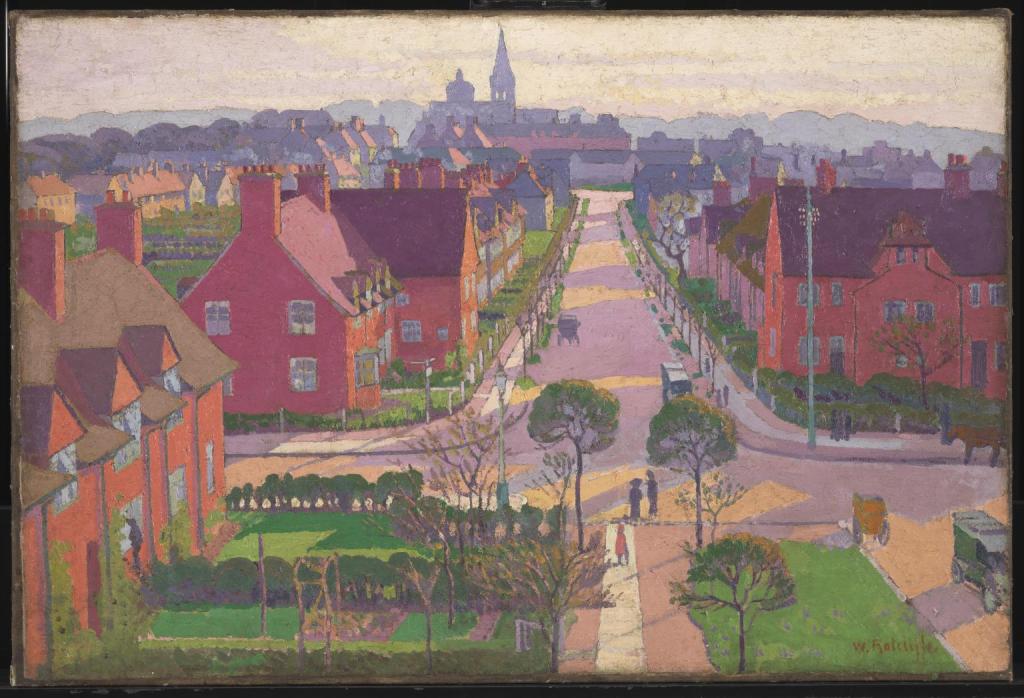
The term Garden City is immediately evocative and attractive. Who doesn’t like gardens? Who doesn’t think a city like a garden would be appealing?
This is the term’s greatest advantage and most disabling handicap: it creates a positive feeling without offering any clear definition about what it means. Thus it can be all things to all people in its casual usage of the phrase and yet manifest in ways indistinguishable from other developments.

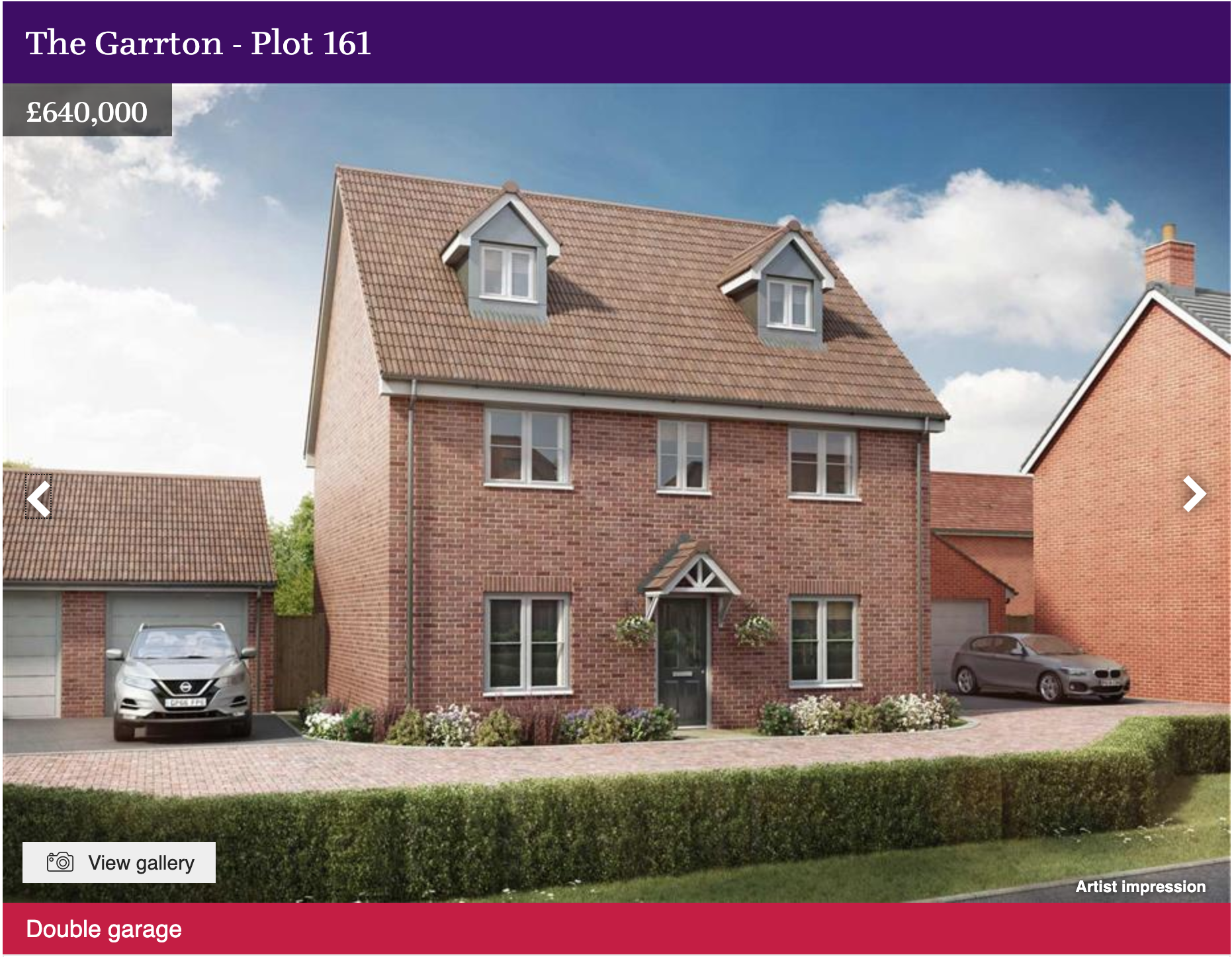
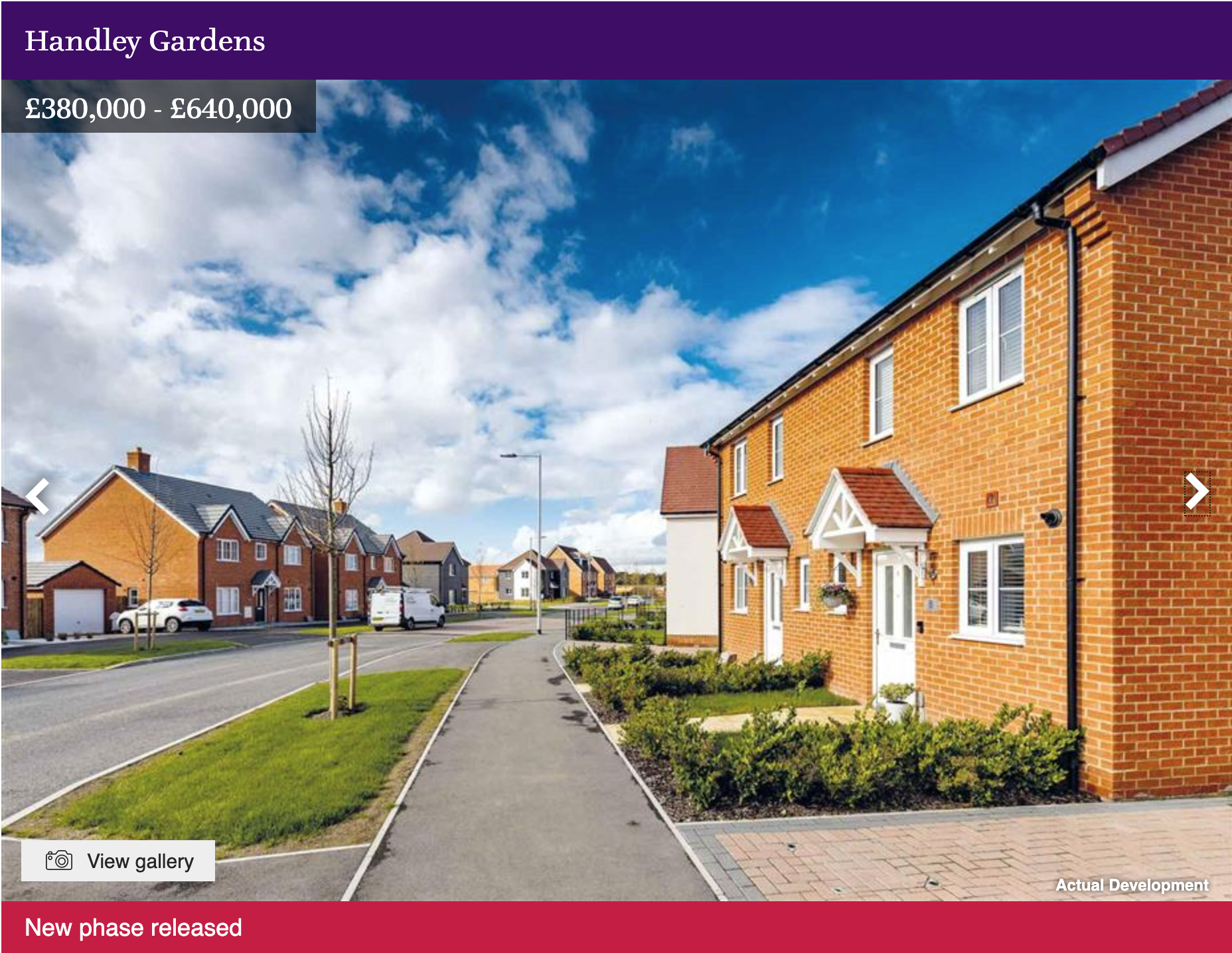
This is clearly a feature rather than a bug of the recent recruitment of the term Garden City/Suburb/Community/Town by developers and political actors seeking a softer cover for their build build build agenda. Anything that distracts objectors, that reduces NIMBY opposition a little, is a suitable tool for their armoury.
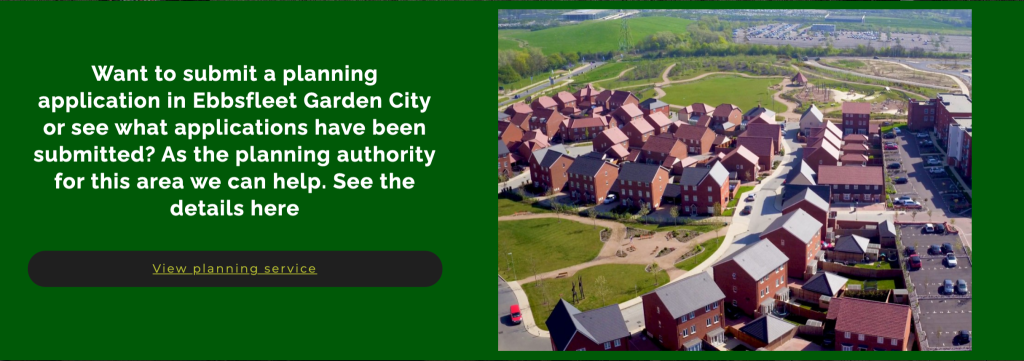
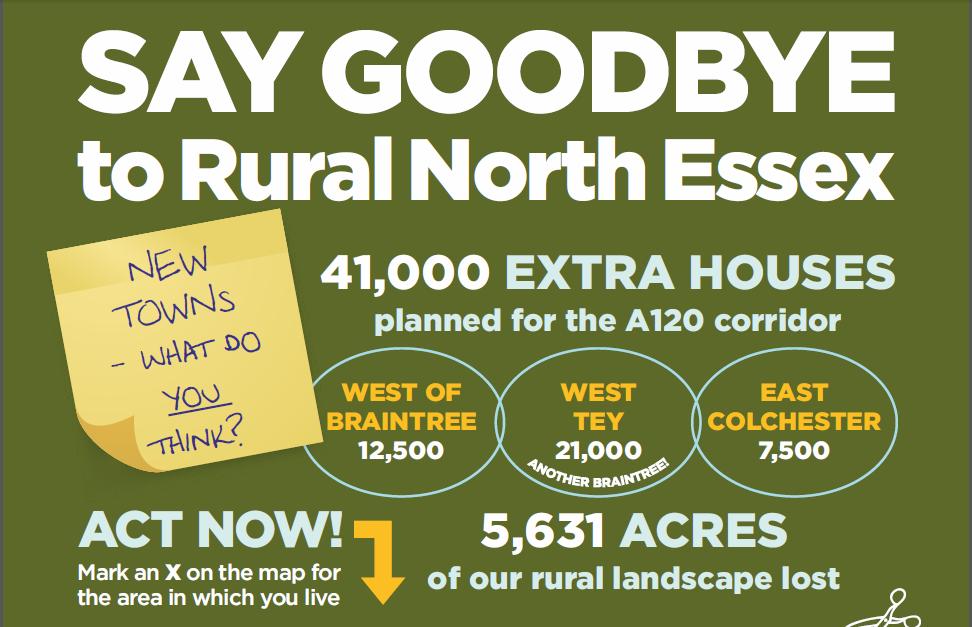
That we have a housing crisis in the UK is clear – for decades now, social housing has become largely unavailable, private tenancies have been insecure, private sector rents have impoverished and the cost of buying a home has risen faster than wages, leaving workers priced out of the market. The government’s planning agenda is also clearly undemocratic and favours developers over citizens. Much of the grassroots resistance to new developments however is a mix of valid questions about the affordability of new housing and the lack of accompanying infrastructure, with obstinate positioning against any, and all, developments. This second part generally coming from an I’m-alright-Jack crowd of older homeowners.
As it’s almost all developer led, the housing that is delivered tends to be identikit with little respect for site or ecology. Weak government standards mean it’s unlikely to be passivhaus standard, or orientated for solar gain, or to have solar PV, solar thermal, home batteries, grey-water cycling, rainwater harvesting, source heat pumps or any real nods to the climate emergency past LED bulbs, double glazing and 270 mm of loft insulation. Sales literature indicates that hard-standing for parking and garages has far more importance than gardens in these garden communities. The shared greenspace tends to be laid to lawn, and much of that seems likely to be captured for overspill parking. Nothing else seems to be communal – there’s nothing here learned from co-housing or socialist housing projects – it’s atomised habitation for independent consumers.
These are not cities, suburbs, communities or towns that have been gardened – cultivated and crafted to meet the needs of people, or the more-than-human suite of lifeforms necessary for flourishing, healthy existence.
Aesthetically I find them pretty terrible too – British private housing tends towards a brick bound, small windowed, pastiche of something long forgotten. It’s like modernism never happened, like the different approaches of our Scandinavian cousins, our other European family are invisible and impossible to learn from.
Surely these appeals to novel forms of urban existence demand some visioning beyond the Barratt Home or the Taylor Wimpey new build? Perhaps it’s just me with a wrongheaded vision of what a garden community might be?
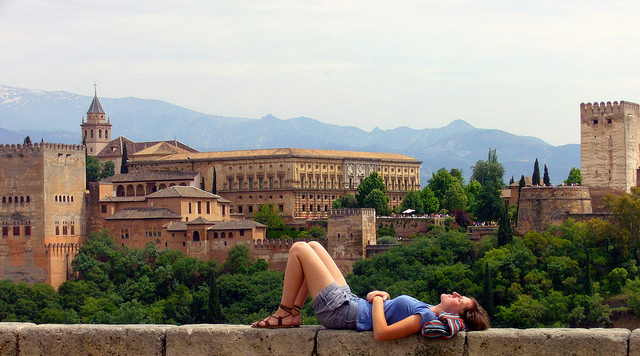
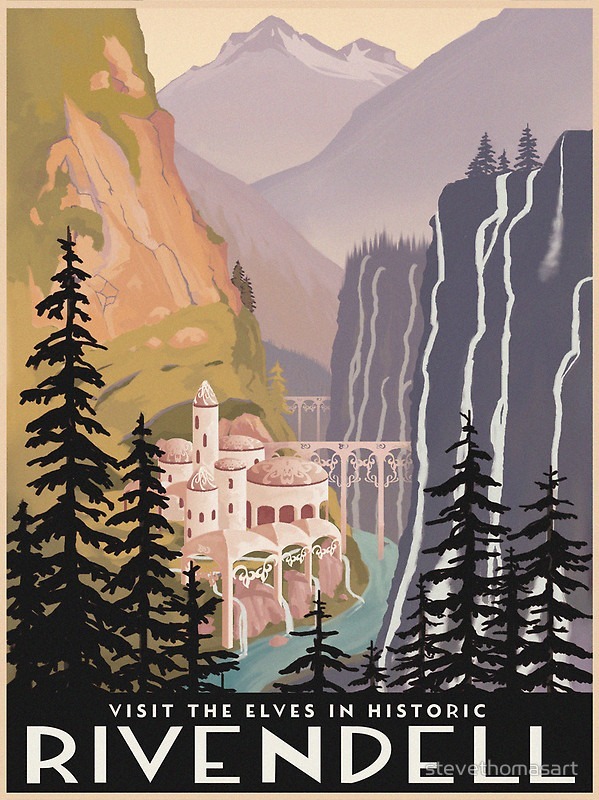
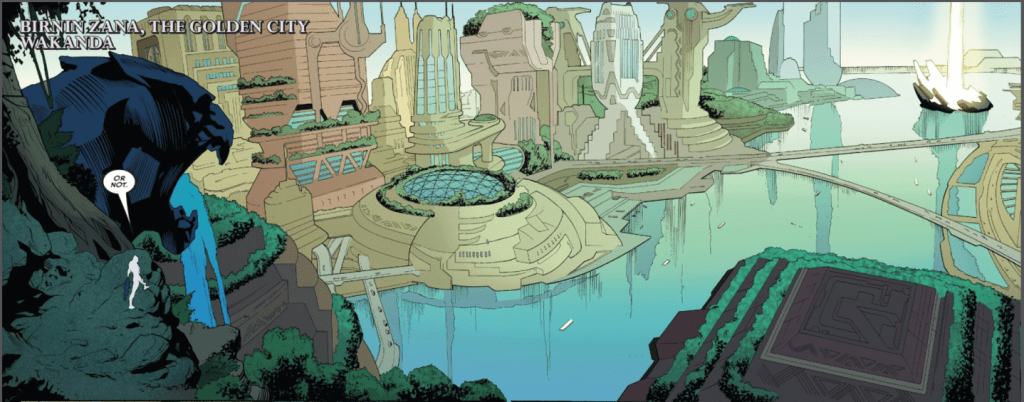
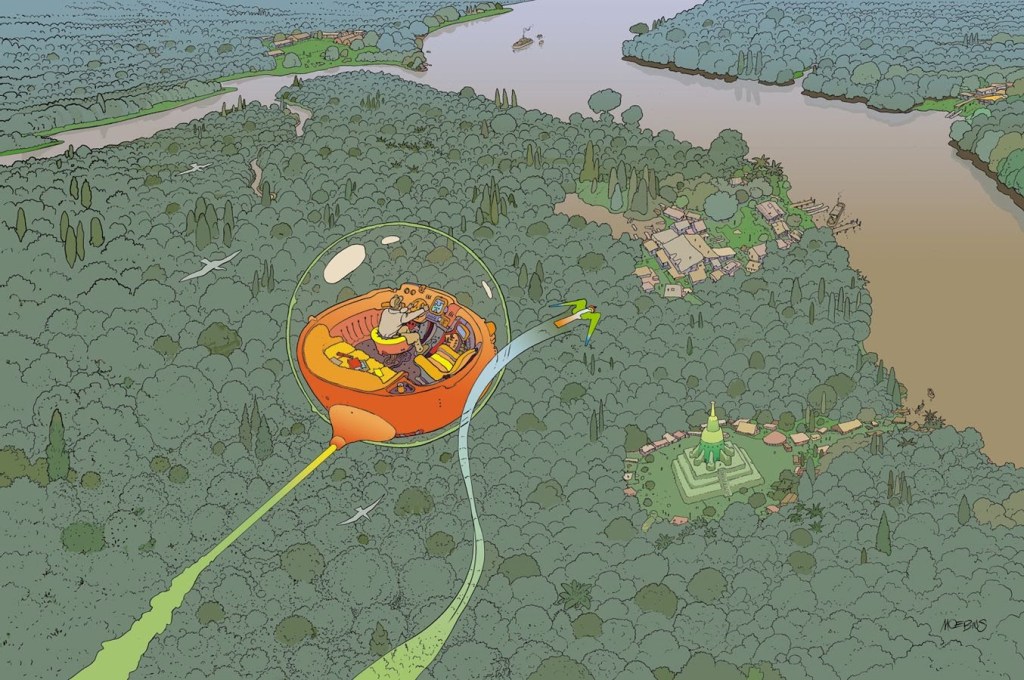
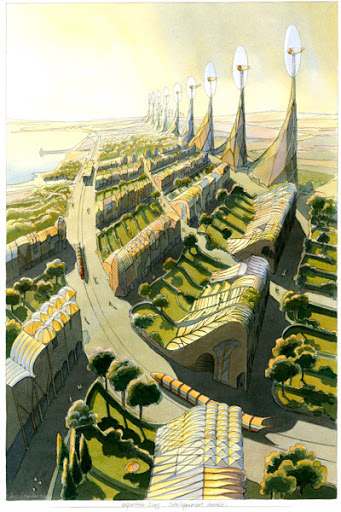
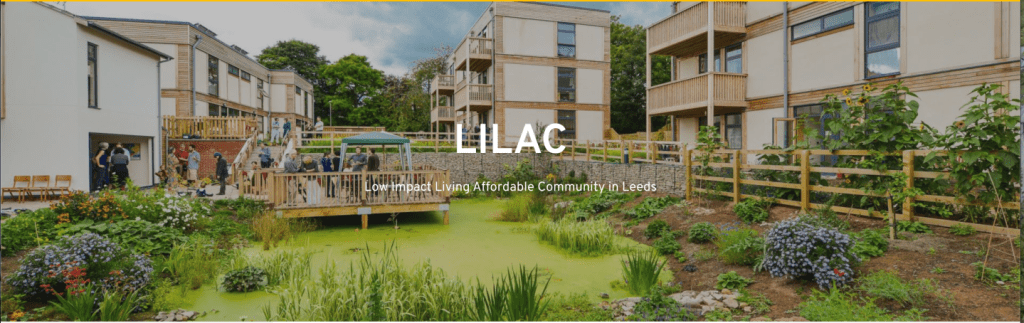
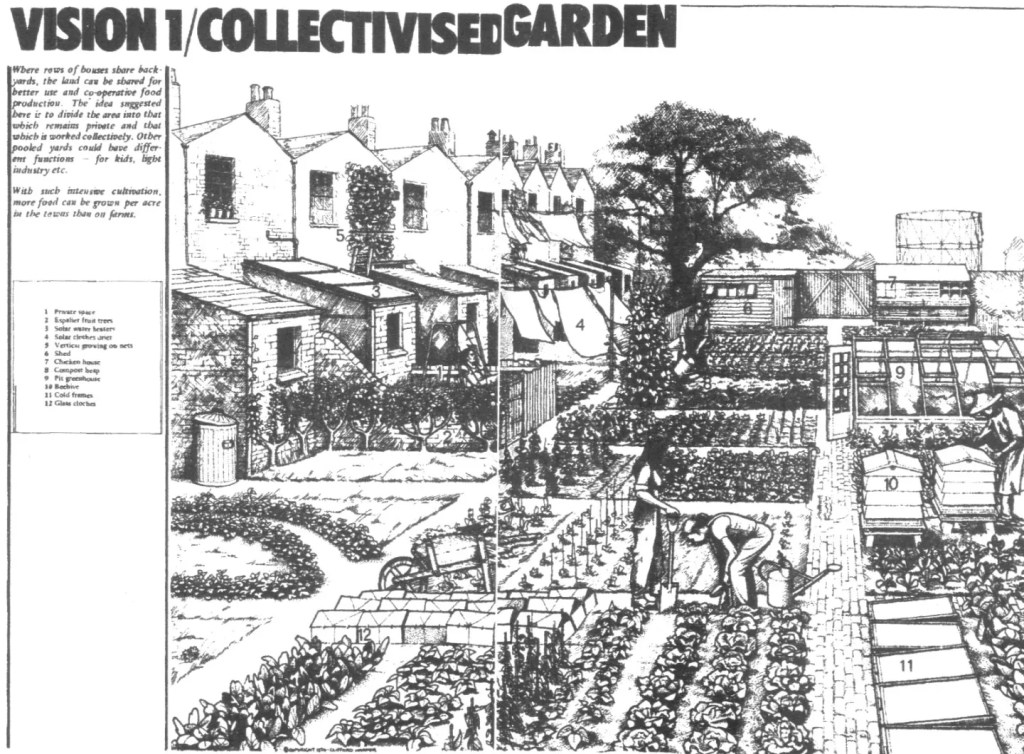
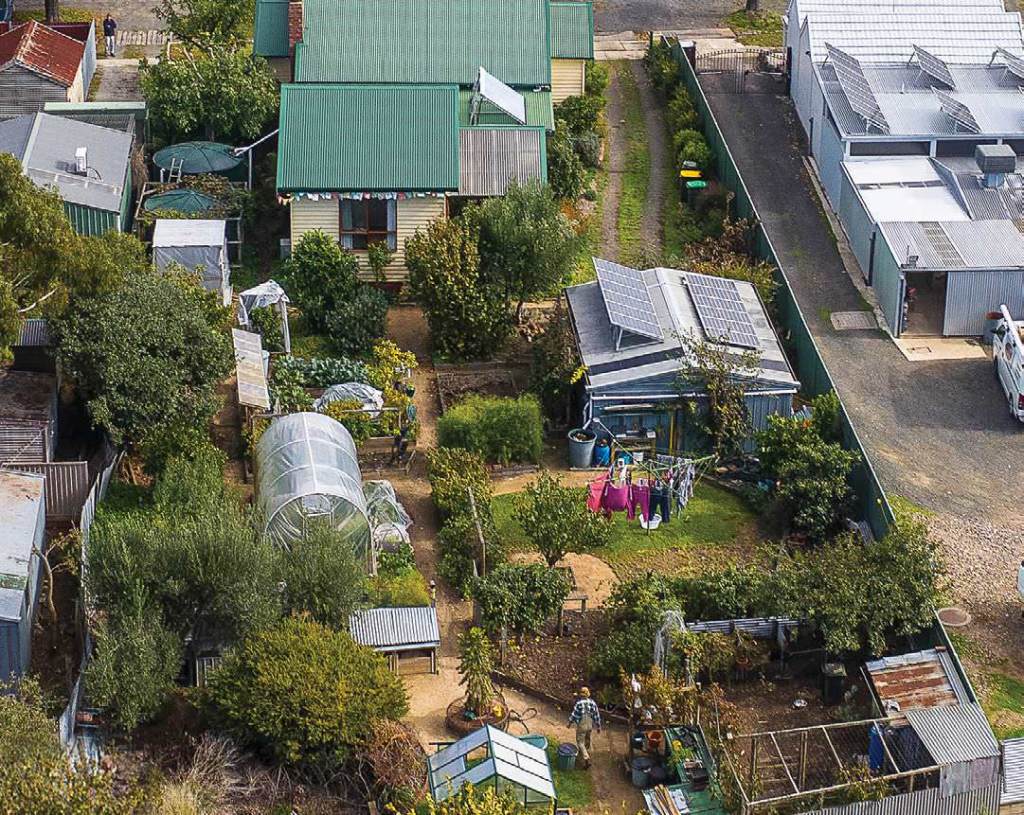
When I’m captured by the visionary invitation to imagine a garden community it doesn’t look like little houses made of ticky-tack, it evokes the Alhambra, Giethoorn, LILAC in Leeds, King Camp Gillette’s Metropolis, RetroSuburbia, Rivendell, Red Vienna, Village Homes in Davis CA, Clifford Harper’s Visions, Wakanda – it looks like Abundant Living in the Coming Age of the Tree, continuous productive urban landscapes, the hanging gardens of Babylon, schrebergärten, the solarpunk imaginaries of Moebius, Luc Schuiten’s Cité Végétale and thousands of visual speculations on sites like Artstation, DeviantArt and Tumblr.
It’s not just about visual appeal, it’s about creating productive, low-impact, liveable spaces that work with nature rather than against it, that are carbon negative and decommodified. It’s about imagining another world and building back better.
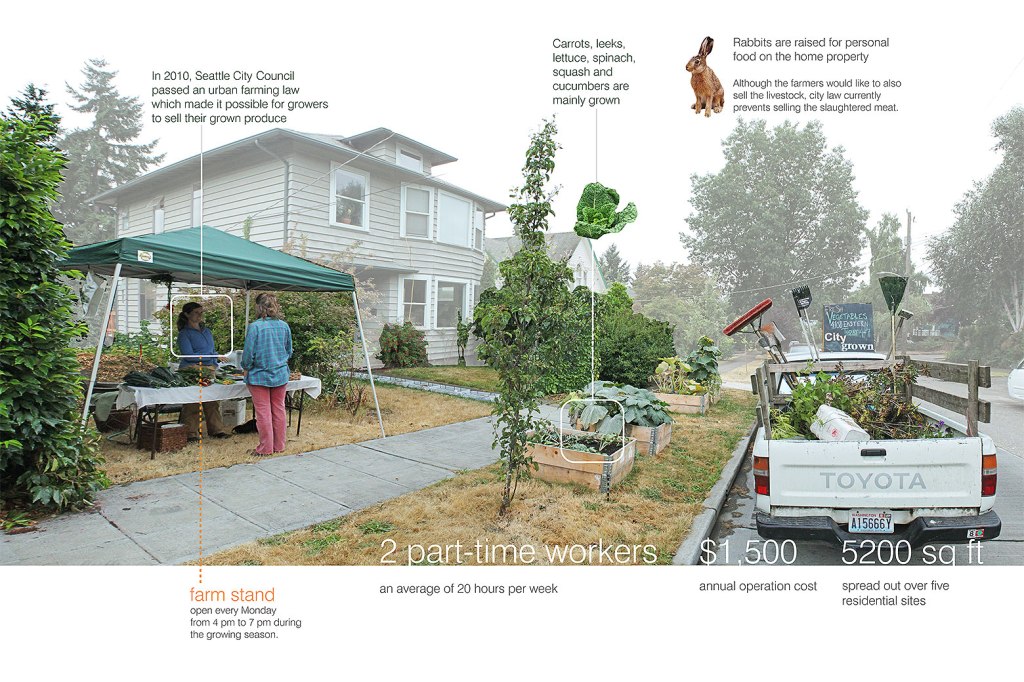
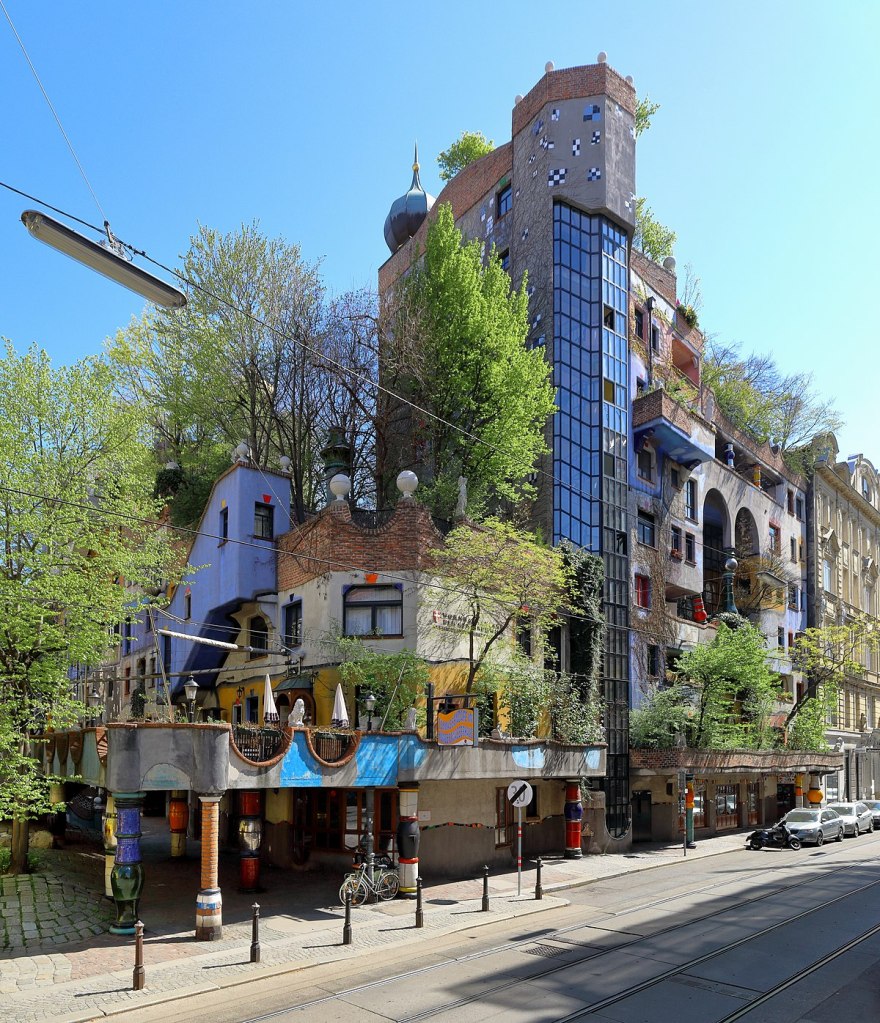
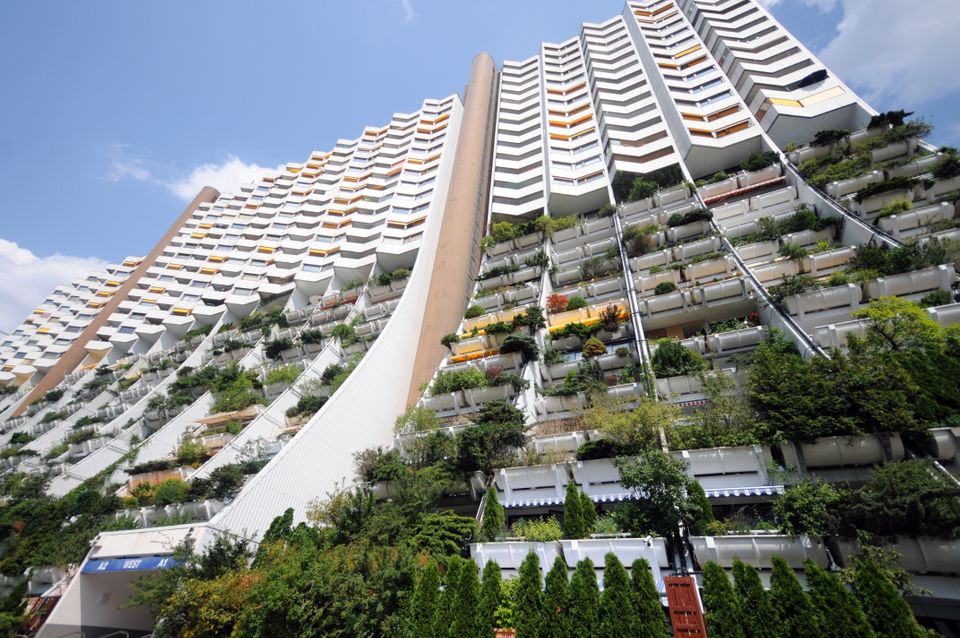
This might look a thousand different ways, but I’ll finish with a vision from Richard St Barbe Baker to set the mind in motion and a bunch of images that I like.
I picture village communities of the future in valleys protected by trees on the high ground. They would have fruit and nut orchards, live free from disease and enjoy leisure, liberty and justice for all living with a sense of oneness with the earth and all living things. The accomplishment of this will assure, not only the perpetuation of the forests through intelligent use, but also the regeneration of the very spirit of man.
Richard St Barbe Baker, My Life; My Trees (1970)


Leave a comment