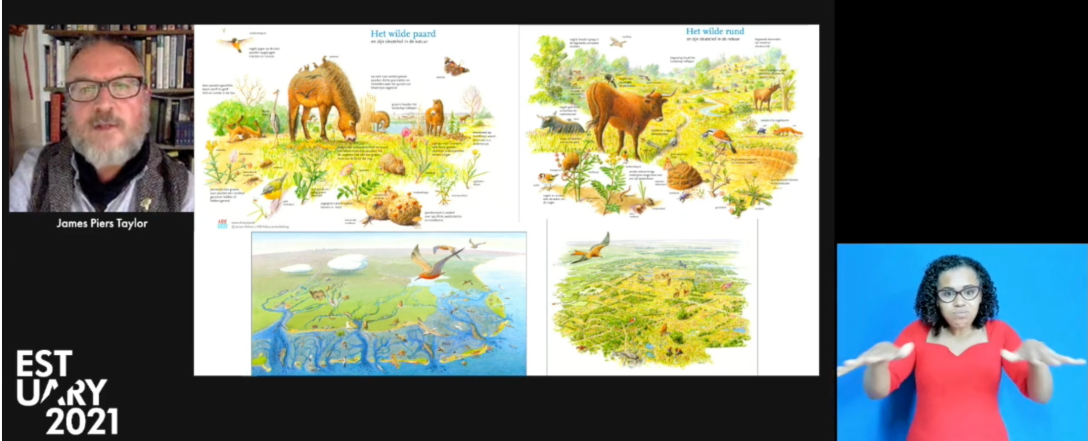
Estuary Festival have now uploaded the recording of my May 23rd 2021 talk for Focal Point Gallery on ‘Estuary Bioregionalism’.
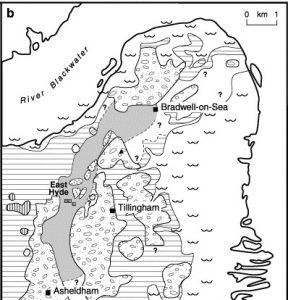
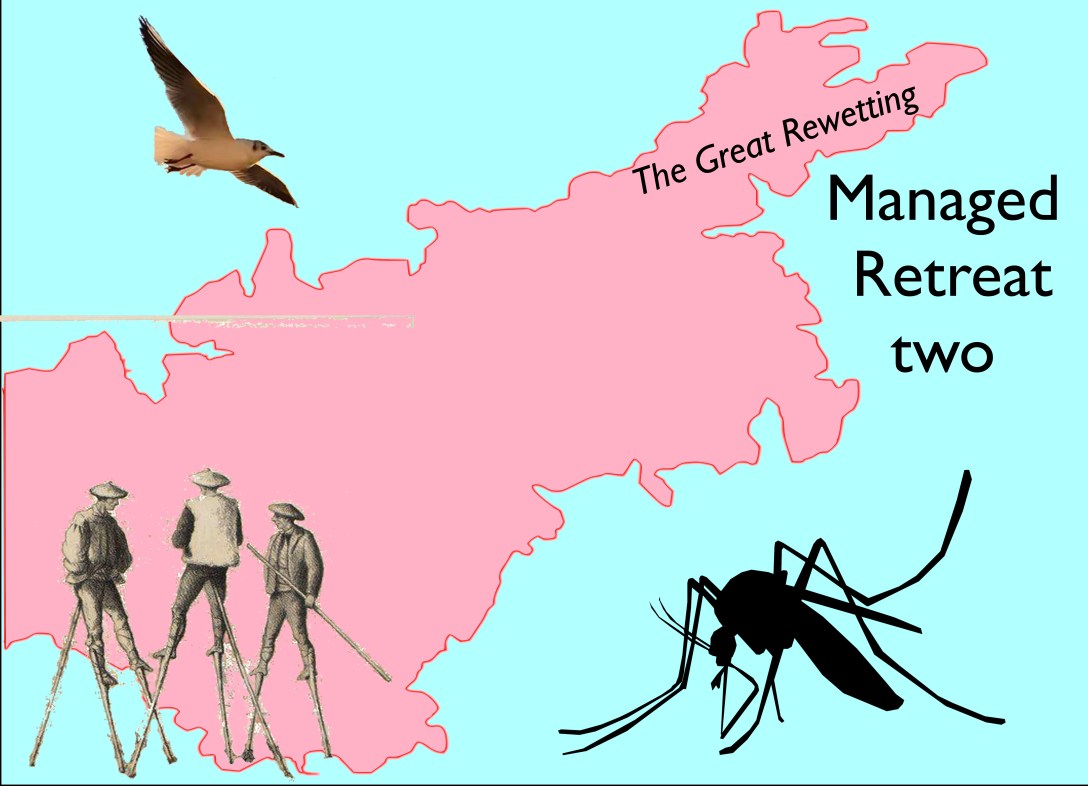
Those who have attended a Permaculture Design Course I’ve worked on in the last few years or been at the Bioregionalism workshop I hosted at the UK Permaculture Convergence in Manchester will find a lot of the material familiar but I’ve added some new visuals and more material specific to the Dengie Bioregion and a wider estuarine framing.
I removed the explicitly permaculture orientation I normally apply, and tried to drop the in-group language which easily accretes in speaking to a permaculture audience, implicitly it remains.
I found myself surprisingly nervous – partly because I was presenting this material in a different context and partly because the livestream technology the festival was using was unfamiliar after a few years of using Zoom. Pros: their excellent support staff, a virtual green room, live captioning and BSL. Cons: had to send my slideshow to them a couple of days beforehand (I love to tweak right until the end and hate having 48 hours to think of changes I can’t make!) and I had to operate the slide show from a virtual clicker of my phone through a separate log-in – which was haptically unaccustomed and had a slight, but disconcerting, lag.
Anyway, I hope that the record of the talk is useful. I wanted to say more about the Dengie and I may have buried the lede in my Bioregional 101 stuff. If you’re here you can find out more about my Dengie thinking in other posts on the site. Shifting Shores might be a good place to start.
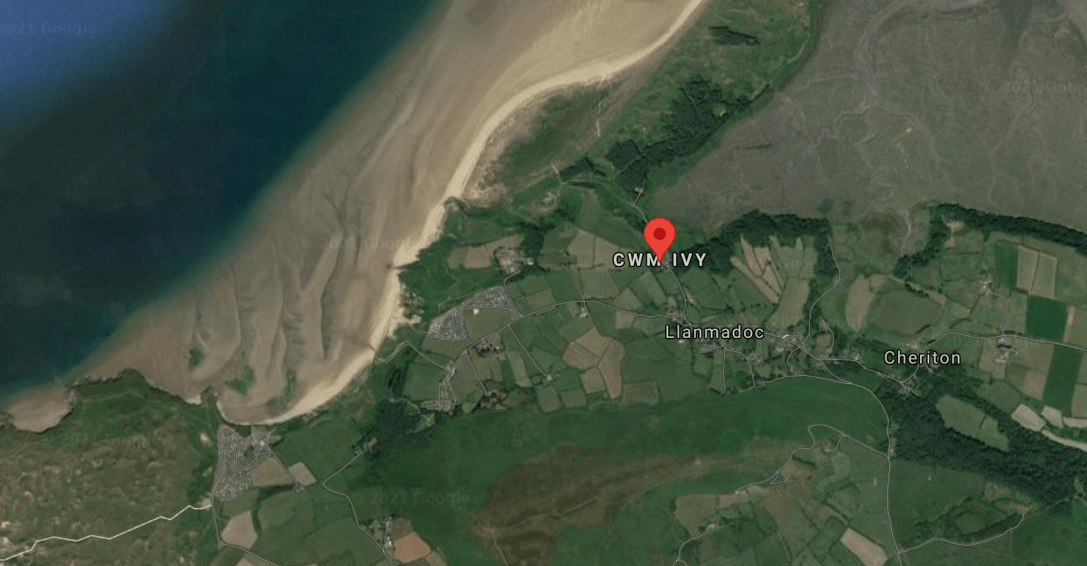
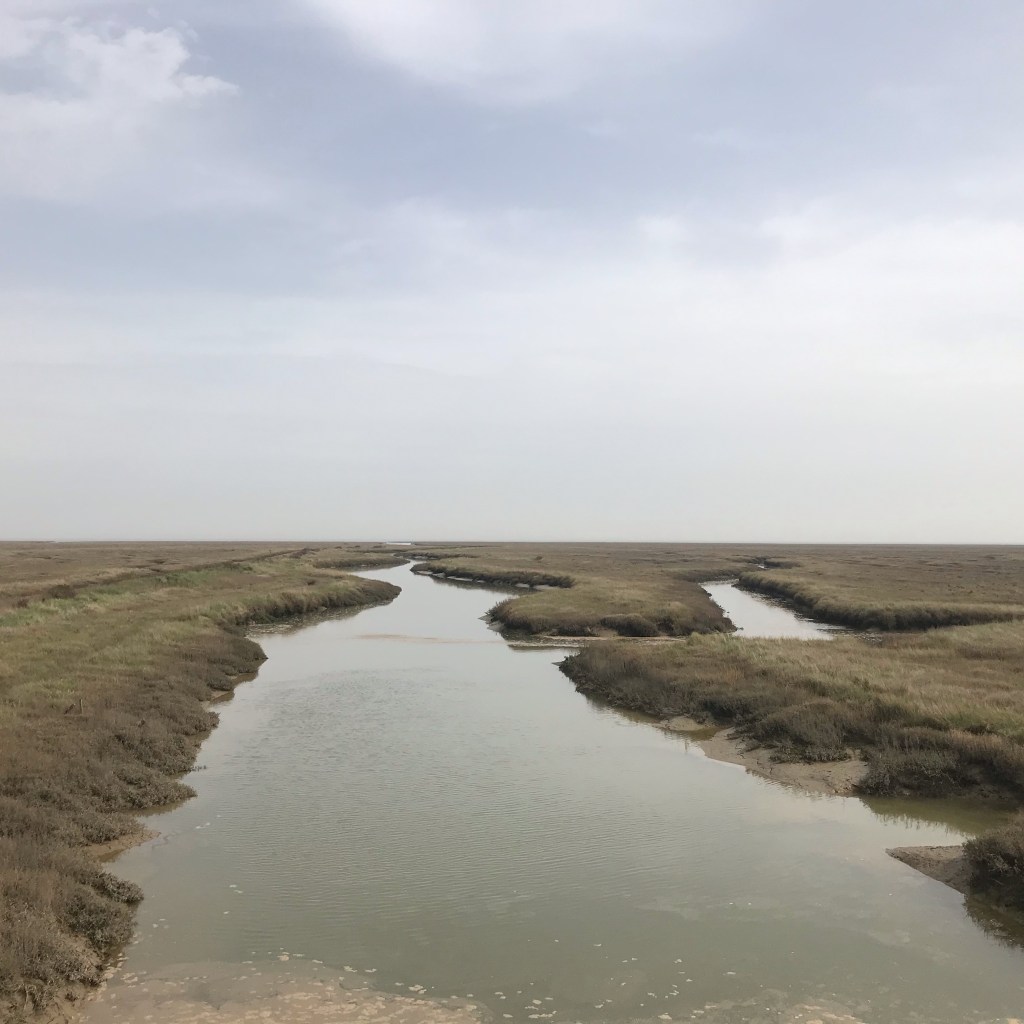
 Dengie Bioregion